
The Hell Yeah Guide
to elopements and intimate weddings
A grounded starting point for couples who care more about how it feels than how it looks.
plan it like you mean it

Who this is for:
✶ Couples considering eloping or hosting a small, intentional wedding
✶ People who feel disconnected from traditional wedding expectations
✶ Partners who want the day to feel honest and meaningful
Who this is not for:
✶ Large, traditional weddings
✶ Performance-based celebrations
✶ Couples who want rigid schedules
The Biggest Myths About Eloping + Intimate Weddings
Most couples come into this process carrying misconceptions. Clearing those up early makes everything else feel lighter.
Myth: Nontraditional means unstructured
Truth:Nontraditional means planned with deeper purpose, not what you feel obligated to do. The best elopements and intimate weddings have a natural flow that supports the experience instead of dictating it.
There’s space for you two to get lost in the moment.
Myth: Elopements are just a photo session
Truth:An elopement is still a wedding. It carries weight, emotion, and moments that deserve care and intentional choices. The difference is that the focus shifts inward, toward being present instead of making wedding day task lists.
Photography becomes part of the experience, not the reason for it. The day leads and the images follow.
Myth: Elopements are last-minute
Truth:The most meaningful elopements are intentionally planned. They’re about experiencing moments more than planning them. Instead of spending months coordinating a production for hundreds of people, couples focus their energy on the elopement experience itself, where they are, how the day feels, and who’s there with them.
Myth: Small weddings are simpler
Truth:The most meaningful elopements are intentionally planned. They’re about experiencing moments more than planning them. Instead of spending months coordinating a production for hundreds of people, couples focus their energy on the elopement experience itself, where they are, how the day feels, and who’s there with them.
Myth: You have to sacrifice to avoid tradition
Truth:Meaning isn’t tied to rituals you never chose. It comes from presence, connection, and moments that feel true to your relationship. Many couples walk away from tradition because they want their wedding to feel personal, not performative.
When you let go of what’s expected, you make room for what’s real. And that tends to feel far more meaningful than following a script that never fit to begin with.

Choose Your Own Adventure
〰️
Choose Your Own Adventure 〰️
Why Couples Choose This Path
Most couples don’t choose elopements or intimate weddings because they hate weddings. They choose them because they want something that feels built for them.
Here’s what we see again and again:
You want to remove pressure
The kind of pressure that turns a wedding into a performance instead of a moment. Couples choose this path because they want to be present, not managing expectations or running a production.
You care more about experiences than appearances
This isn’t about skipping details. It’s about choosing the right ones. Location matters. Flow of the day matters. How it all feels in your bones matters more than how it photographs from the outside.
You want the day to reflect your actual relationship
Not a version of themselves built for guests or tradition. Couples choose this path because it mirrors how they already live and love. Honest. Intentional. Uninterested in doing things just because they’re expected.
You value support, not just documentation
Once couples start planning, they realize this isn’t just about photos. It’s about having someone who understands the pace, the pressure, and the emotional weight of the day.
This kind of day doesn’t run on vibes alone.How does it all come together?
It starts with the experience, not the logistics.Before locations or timelines, you’re deciding what kind of day you actually want to have. Calm or high energy. Private or shared. Slow-paced or adventure-forward. Those decisions shape everything else, including where it happens and how it unfolds.
The location is chosen to support the experience.Not just what looks good, but what works. Accessibility, lighting, season, crowds, and how much movement the day requires all matter. The right location makes the day feel effortless. The wrong one creates friction you can feel the entire time.
The timeline is built around how you want to feel.No packed schedules, no rushing around. Our custom timelines are built with intention so there’s space to breathe, adjust, and actually be present. The best timelines guide the day seamlessly, without making you feel like you’re on some else’s schedule.
The support matters more than people expect.And I don’t mean just for the logistics, but for decision-making, pacing, brainstorming and knowing when to trust the process. This kind of day works best when someone is quietly holding it together behind the scenes so you don’t have to. (Hint: that’s us!)
The details stay intentional.Guest count, attire, time of day, how you move through each part of the experience. Nothing added just because it’s expected. Every choice either supports the experience or gets left out.



Elopement vs Intimate Wedding vs Traditional Wedding
There isn’t a right way to get married. There’s only the way that actually fits how you move through the world, make decisions, and experience big moments together.
Here’s how these options really differ, stripped of industry bullshit.
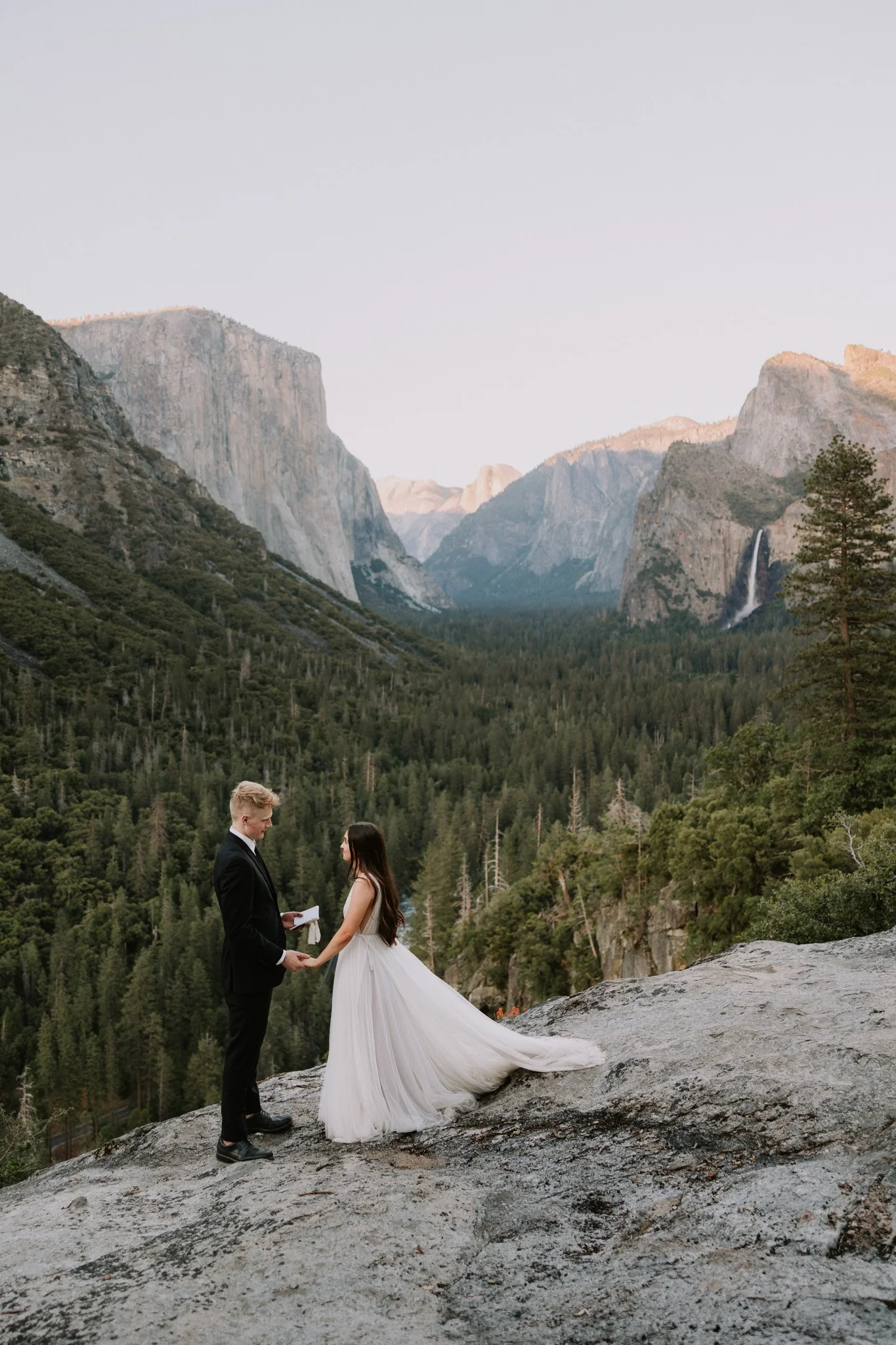
Best for couples who:
Want privacy, flexibility, and a day centered entirely on their relationship. Elopements work well for people who value experience over formality and don’t need an audience for their commitment to feel real.
What it prioritizes:
Presence over performance
Location and experience
Freedom to shape the day without pressure
Where people get tripped up:
Assuming it’s casual or unplanned. In reality, elopements work best when there’s intention behind the flow and decisions, even if the day itself feels relaxed.
elopements
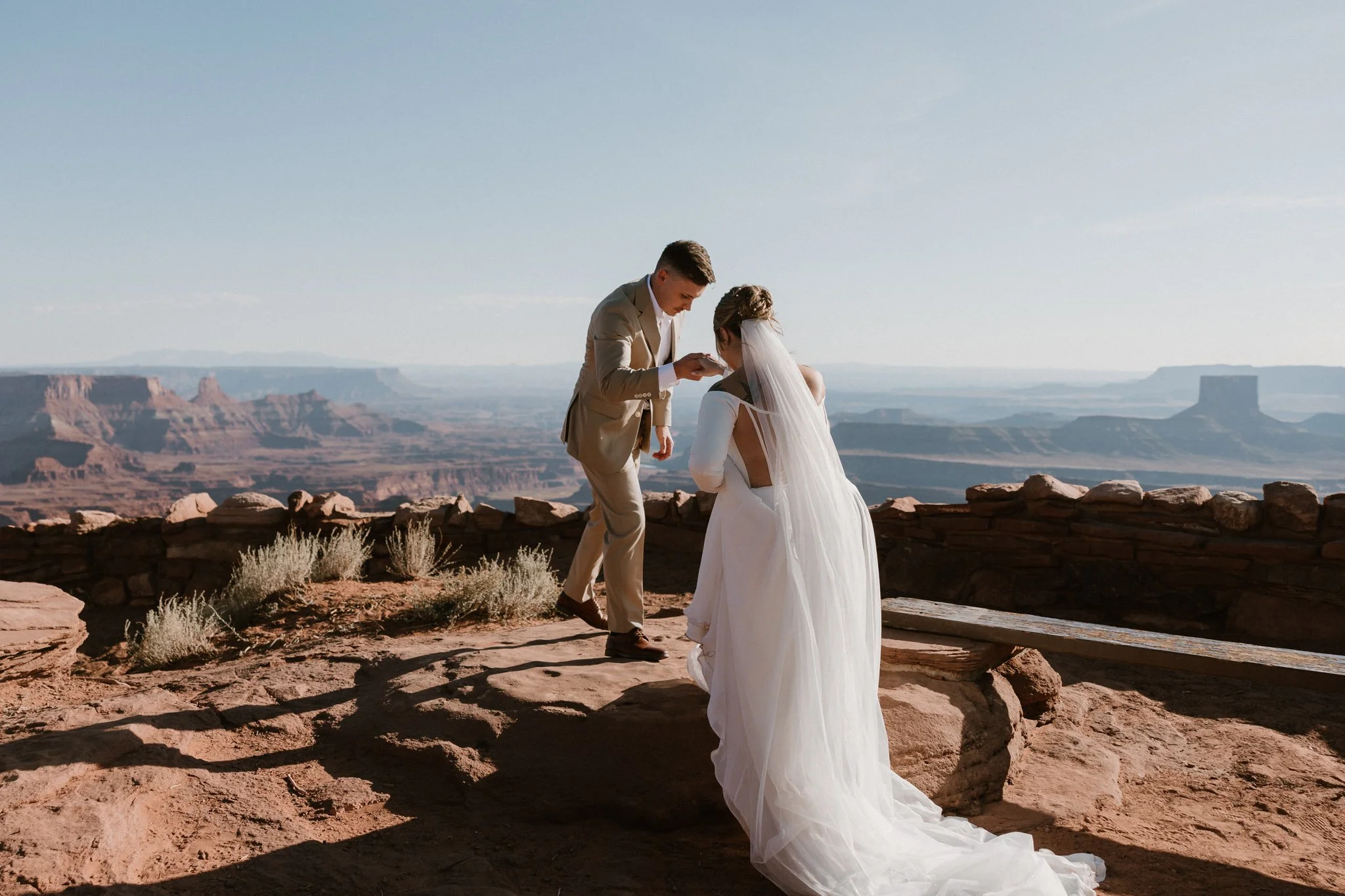
Best for couples who:
Want to share the day with a small circle of people while keeping the experience personal and grounded. This is often the sweet spot for couples who want connection without the scale of a traditional wedding.
What it prioritizes:
Meaningful time with guests
A curated experience rather than a production
Balance between structure and flexibility
Where people get tripped up:
Underestimating how much intention still goes into planning. Fewer guests doesn’t mean fewer decisions, it just means the decisions matter more.
intimate weddings
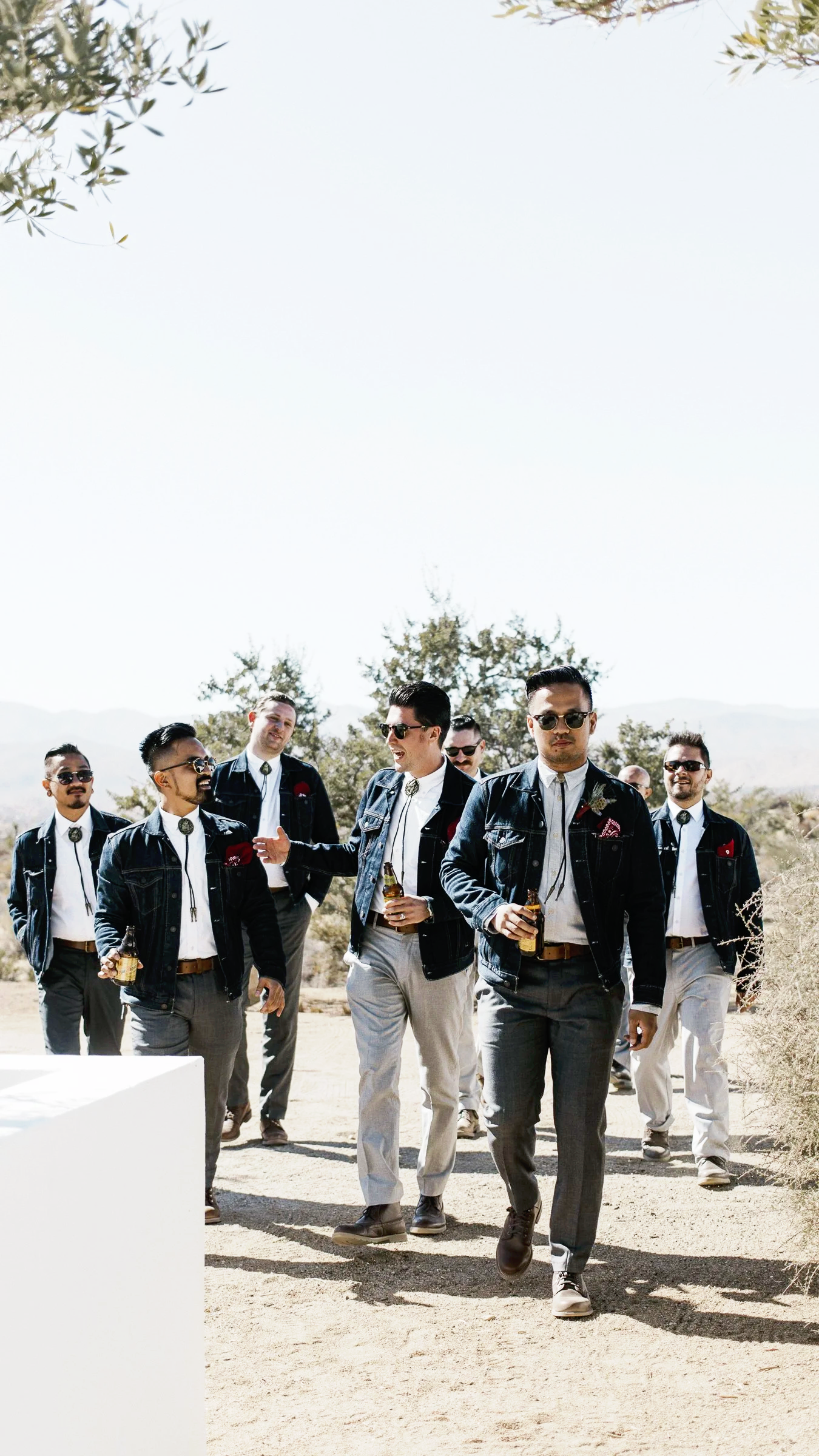
Best for couples who:
Value tradition, structure, and hosting a larger group of people. Traditional weddings tend to work well for couples who enjoy clear expectations, formal timelines, and shared rituals.
What it prioritizes:
Guest experience at scale
Formal structure and tradition
Established formats and schedules
Where people get tripped up:
Feeling boxed in by expectations or pressure to perform the day a certain way, even when it doesn’t fully reflect who they are.
traditional weddings
Labels are cheap.
The experience isn’t.
Pick the wedding built for you + burn the rest.
Questions That Matter
More Than Venues or Dates
Ask yourself:
✶ What do we want this day to feel like when it’s over?
✶Who actually needs to be there for it to feel complete?
✶ What parts of a traditional wedding feel meaningful or not?
✶ Where do we feel most like ourselves?
✶ How much space do we want to protect for just us?
✶ What moments matter more than how the day looks from the outside?
✶ What are we willing to let go of to make that possible?
Before you lock in a location, a guest count, or a timeline, there are a few questions worth answering first. These don’t live on Pinterest. But they shape everything that comes after.
Be honest. Not filtered.