Have you already Googled this? Are you letting it sit in the back of your subconscious like your need to sort the laundry? This isn’t a chore. Don’t let these details consume you.
So you love the idea of an elopement. You want something intentional, private and grounded. But then the guest list concerns showed up and you’re ready to run away to Vegas (also not a bad idea, just saying).
Is it rude to invite parents but not siblings?
Is 10 people still an elopement?
At what point does this turn into… just an intimate wedding?
Here’s the truth most planning resources skip:
the limit does not existThere isn’t a universal number. And chasing one is usually what creates unnecessary stress.
TL;DR: How Many Guests Can You Invite to an Elopement?
There is no strict guest limit for an elopement
Most elopements include 0–10 guests, but can go up to ~15 depending on the experience
Once you reach 15–30 guests, it typically becomes an intimate wedding
The right guest count depends on how you want the day to feel, not a fixed number
Quick rule of thumb:
0–6 guests → fully flexible, experience-first
8–15 guests → still intimate, but requires light planning
15+ guests → structured day with more logistics
What actually matters:
Invite only the people who don’t change the energy of your day.

Not sure what kind of wedding day actually fits you?
The Common Belief: Elopements Have a “Correct” Guest Count
Most couples come into this process believing one of two things:
An elopement means just the two of you
Or, if anyone else is present, it’s no longer an elopement
So you start searching for the rules of eloping. You desperately just want someone to tell you no, you’re not crazy and you’re actually validated in your concerns. You can invite people without it feeling performative.
Does any of this sound annoyingly familiar?
“Can we invite 12 people and still call it an elopement?”
“Is 20 too many?”
“If our parents come, do we have to invite siblings?”
“What if we want friends but not family?”
The problem isn’t the questions. The problem is the negative connotation historically attached to the word “elopement” as if we still live in a time where doing things your way is an act of defiance.
Silence that bullshit.Why That Belief Creates Stress (and Doesn’t Actually Serve You)
When couples fixate on a number, they miss the point of why they’re choosing an elopement in the first place.
Elopements are not only defined by guest count.
They’re also defined by experience, intention, and scale of traditional pressure.
Here’s what actually happens when you chase a “correct” number:
You invite people out of obligation, not desire
You start managing expectations instead of enjoying the day
The day quietly shifts from meaningful to expectation
Planning decisions become about optics instead of alignment
This is how couples end up saying: “We wanted something small… but it still felt stressful.”
Not because they did it wrong, but because the structure no longer matched the intention.
A Better Way to Think About Guests (Our Philosophy)
Instead of asking how many people can we invite, ask this:
Who can be present without changing how the day feels?That’s the real threshold.
An elopement can include:
Zero guests
A few people
Or a small group
What matters is whether those people support the experience instead of reshaping it.
A helpful reframe: An elopement includes only the people who make the day feel safer, lighter, and support your vision.
If adding someone introduces expectations, timelines, complicated seating charts, or unnecessary emotional labor… red flag.
Our philosophy keeps the focus on how the day feels, not how it’s labeled.

If elopement expectations already feel overwhelming, blink twice.
→ This is where our planning support matters most. Contact us like, right now!
What This Looks Like in Real Life
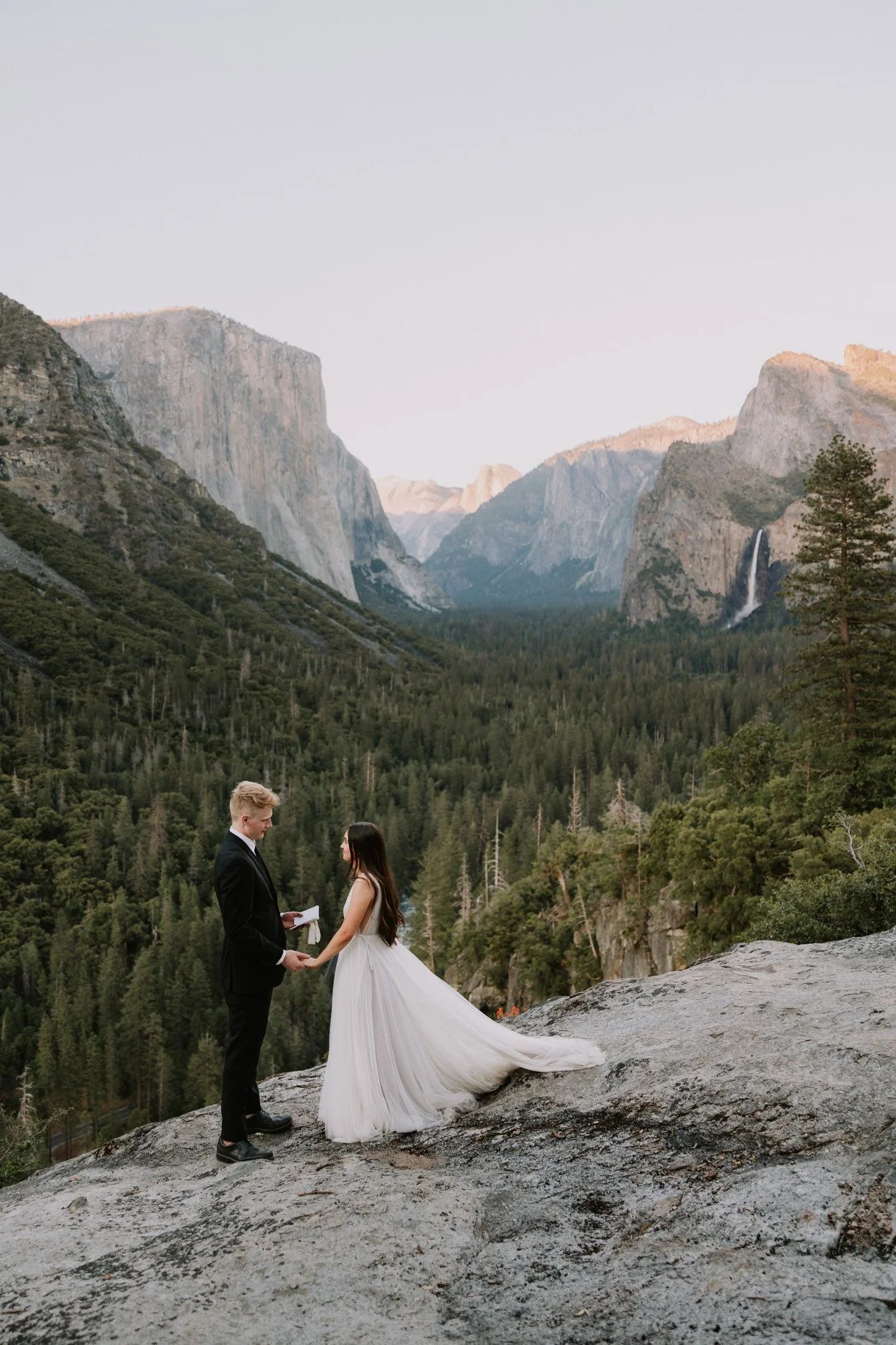
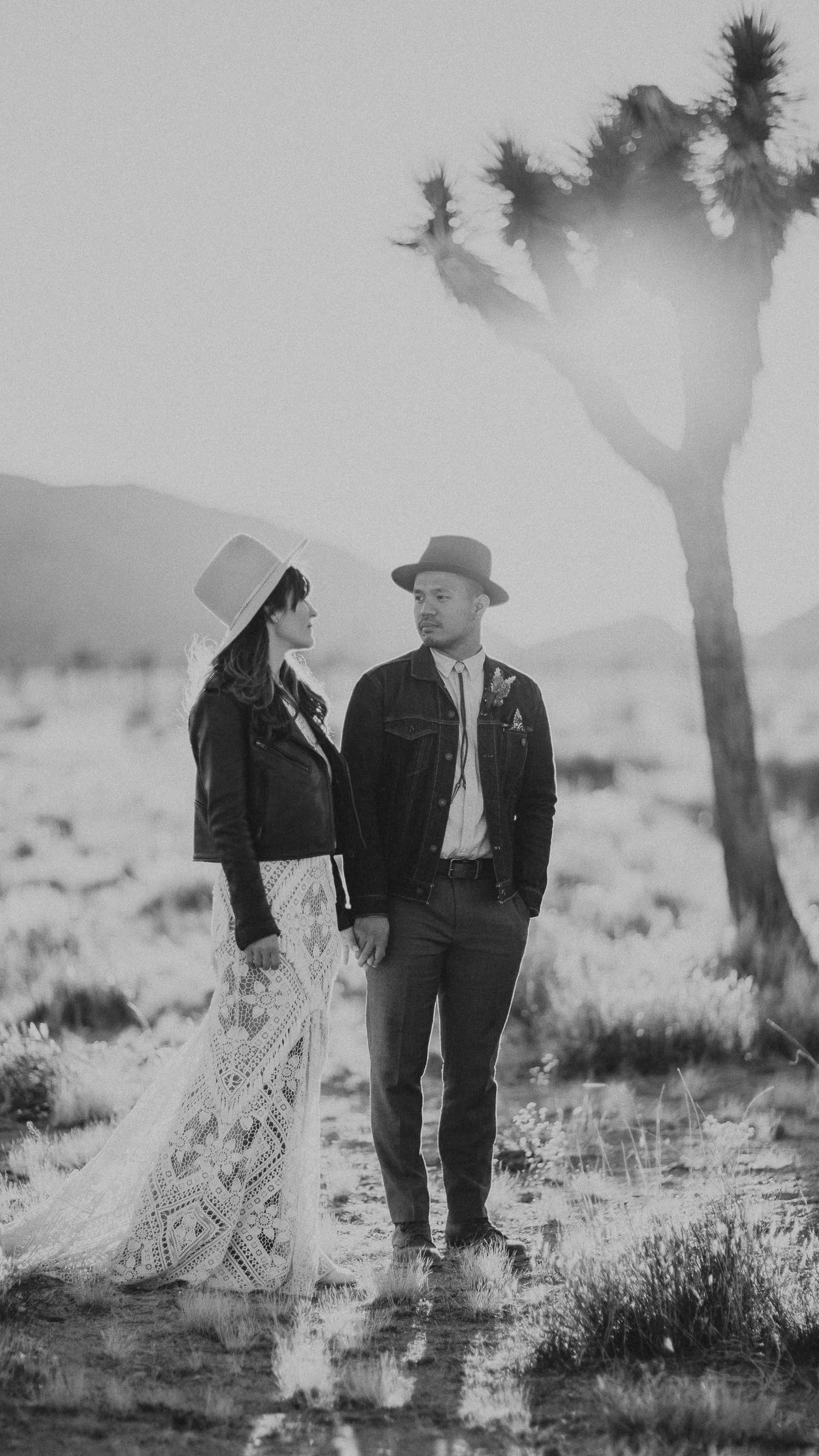
Just the Two of You
This is what most people picture when they hear “elopement.”
Why couples choose it:
Maximum privacy
No external opinions
Full freedom with timeline and location
This works best for couples who:
Feel emotionally regulated together
Want the day to feel slow and inward
Prefer to celebrate later with others
There’s no pressure to entertain and no one else’s schedule to manage.
Also, highly recommended for those of us who consider pets as family. Bring them instead.
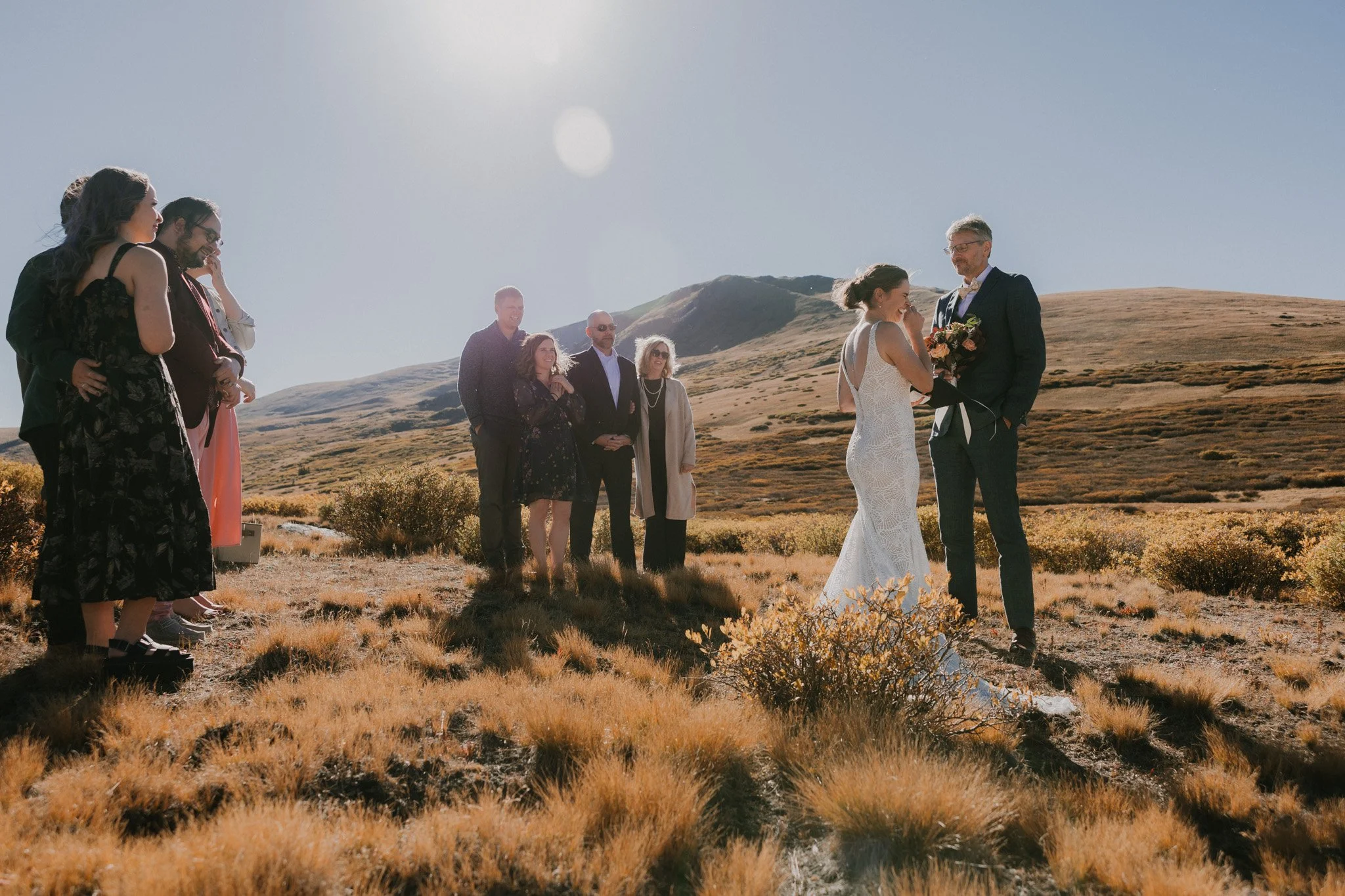
2–6 Guests (Parents, Siblings, or Chosen Family)
This is one of the most common elopement structures we see.
Why it works:
Still intimate
Still flexible
Still experience-first
These guests usually:
Know how to take a back seat
Don’t expect a traditional ceremony
Are emotionally supportive, not directive
This often looks like:
A short ceremony
Shared champagne or a meal
Then space for the couple to go explore alone
It’s not about excluding people, just bringing your ride-or-die humans only. If they will elevate your overall experience, they’re should be there.
8–15 Guests (Large-Scale Elopements)
This is where intention matters most.
At this size:
Group logistics start to exist
Location rules matter more
Permits and accessibility come into play
This can still be an elopement if:
The day isn’t structured around guests
The ceremony stays simple
The couple’s experience stays central
This is often ideal for couples who:
Have a small chosen family
Want witnesses but not an audience
Care more about shared meaning than tradition
Need their party people to properly celebrate
15–30 Guests (This Becomes an Intimate Wedding)
This is usually the tipping point.
At this size, most days naturally require:
Defined timelines
Guest flow management
More traditional logistics
That doesn’t mean it’s bad.
It just means it’s likely an intimate wedding, not an elopement.
And that distinction matters because it affects:
Locations
Permits
Planning structure
Expectations
There’s no prize for forcing a label. Don’t get caught up in incorrect logistics because you couldn’t face your demons. Define the wedding experience you want and burn the rest.
How Guest Count Affects the Rest of Your Planning
Location Options
More guests = fewer locations.
National parks, public lands, and remote areas often cap:
Total group size
Ceremony footprint
Parking access
A smaller guest list keeps your options wide open.
Permits and Regulations
Many permit systems are based on:
Total people present
Environmental impact
Public access concerns
This is why guest count isn’t just emotional — it’s logistical.
✶ We break this down in our blog: National Park Elopement Permits Explained.
Timeline Flexibility
The more people involved, the more structure the day needs.
Smaller guest counts allow:
Time to wander instead of time wasted
Chasing beautiful light instead of following schedules
Creating unique moments instead of traditional milestones
This connects directly to how stress-free the day feels.

You’re Not Doing This Wrong
If you’re stuck on the guest count, it doesn’t mean you’re confused.
It means you care about:
Doing this intentionally
Not hurting people unnecessarily
Creating a day that feels like you
That’s not a flaw. It means you’re one of the few decent people left in the world. And we truly value the thought you’re bringing to each one of these decisions. You just need a solid team and a framework that prioritizes experience over expectation.
Hey, that’s us!
Want help crafting a guest list that doesn’t feel like your 12th birthday party? We’re here for that.
→ Explore elopement planning + photography with Going Home Co.
→ Or start with our Hell Yeah Guide if you’re still figuring things out.