welcome to the blog
The latest shoots, planning tips + inspo for bad ass couples



I literally wrote all this just for you. Yeah, you. Dive in!
Filter by: ALL posts // location guides // weddings // elopements // planning tips
What Does an Elopement Day Actually Look Like?
What does an elopement day actually look like?
There’s no fixed “elopement timeline” you have to follow
The day is built around your human needs, not a schedule
Most elopement days include getting ready, a ceremony, exploring, and honest downtime
You can include guests, or keep it just the two of you
The best elopement day schedules feel flexible, not rushed
Photographers don’t just document, they help design how the day flows
If you’re expecting a checklist from Pinterest, this ain’t it!
If you’re trying to understand what actually happens, you’re in the right place.
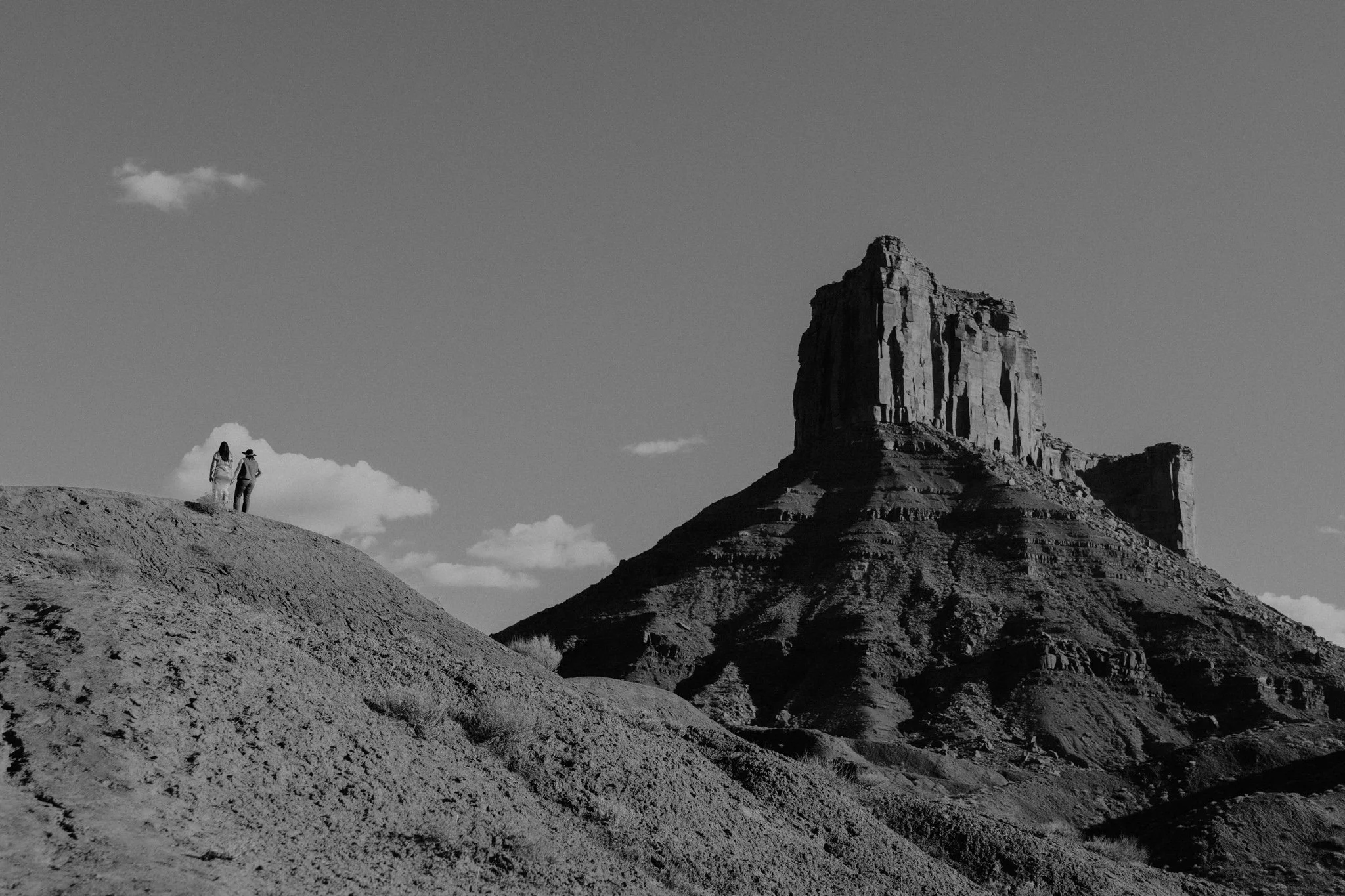
Best Places to Propose in Moab (Scenic, Private, and Practical)
Planning a proposal has a weird kind of pressure baked into it.
You want it to feel natural. Not staged. Not obvious. Not something your partner clocks three hours before it happens. And I know you can read each other’s thoughts so it’s already getting stressful.
If you’re thinking about Moab, you’re already aiming for something bigger than a dinner reservation and a speech you read of your phone.
This guide walks you through how to propose in Moab without overcomplicating it or blowing the surprise. Not Pinterest theory. Real logistics. Real decisions. The kind that actually make the moment land.
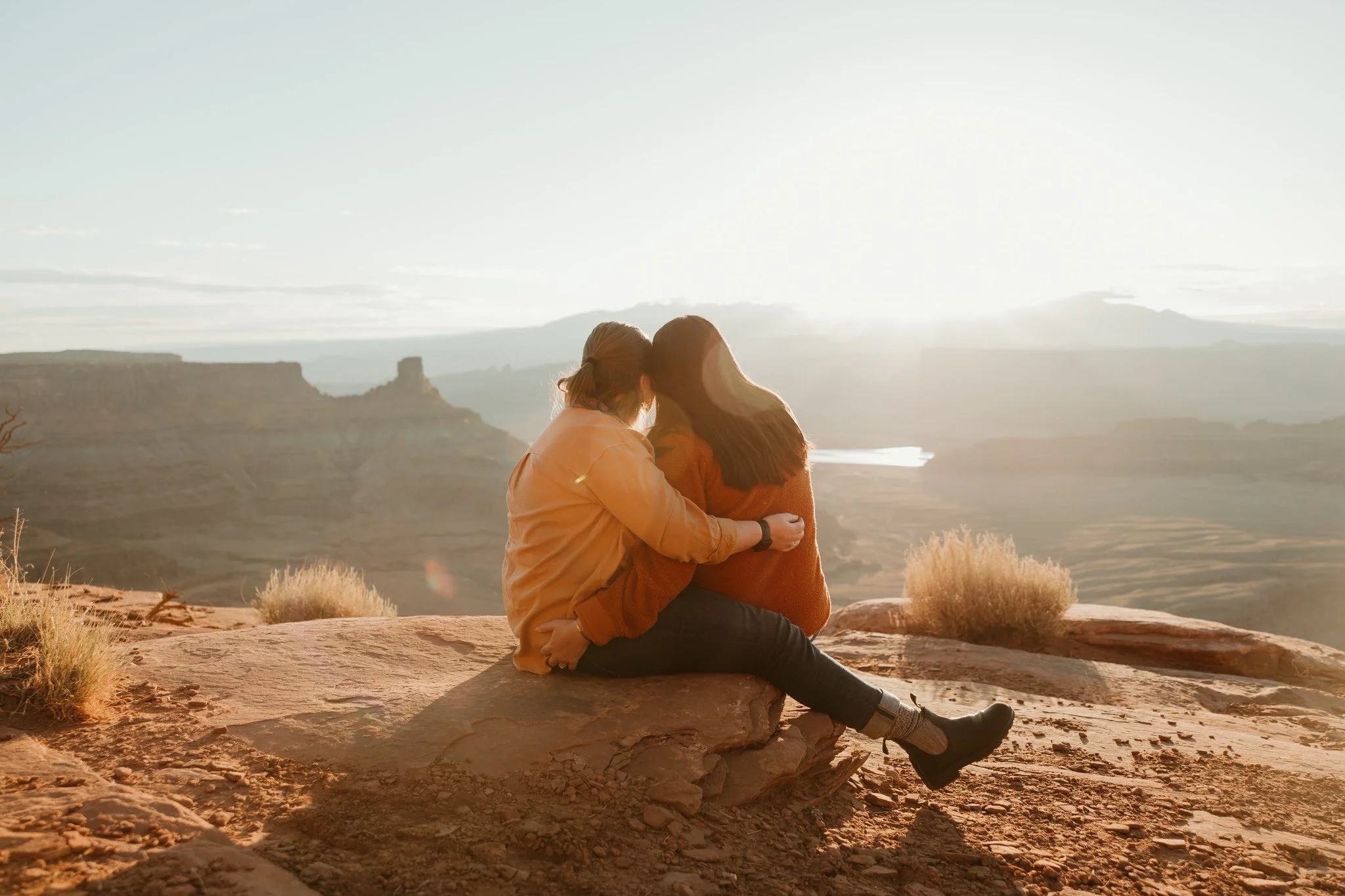
How to Propose in Moab (Without Ruining the Surprise)
Planning a proposal has a weird kind of pressure baked into it.
You want it to feel natural. Not staged. Not obvious. Not something your partner clocks three hours before it happens. And I know you can read each other’s thoughts so it’s already getting stressful.
If you’re thinking about Moab, you’re already aiming for something bigger than a dinner reservation and a speech you read of your phone.
This guide walks you through how to propose in Moab without overcomplicating it or blowing the surprise. Not Pinterest theory. Real logistics. Real decisions. The kind that actually make the moment land.
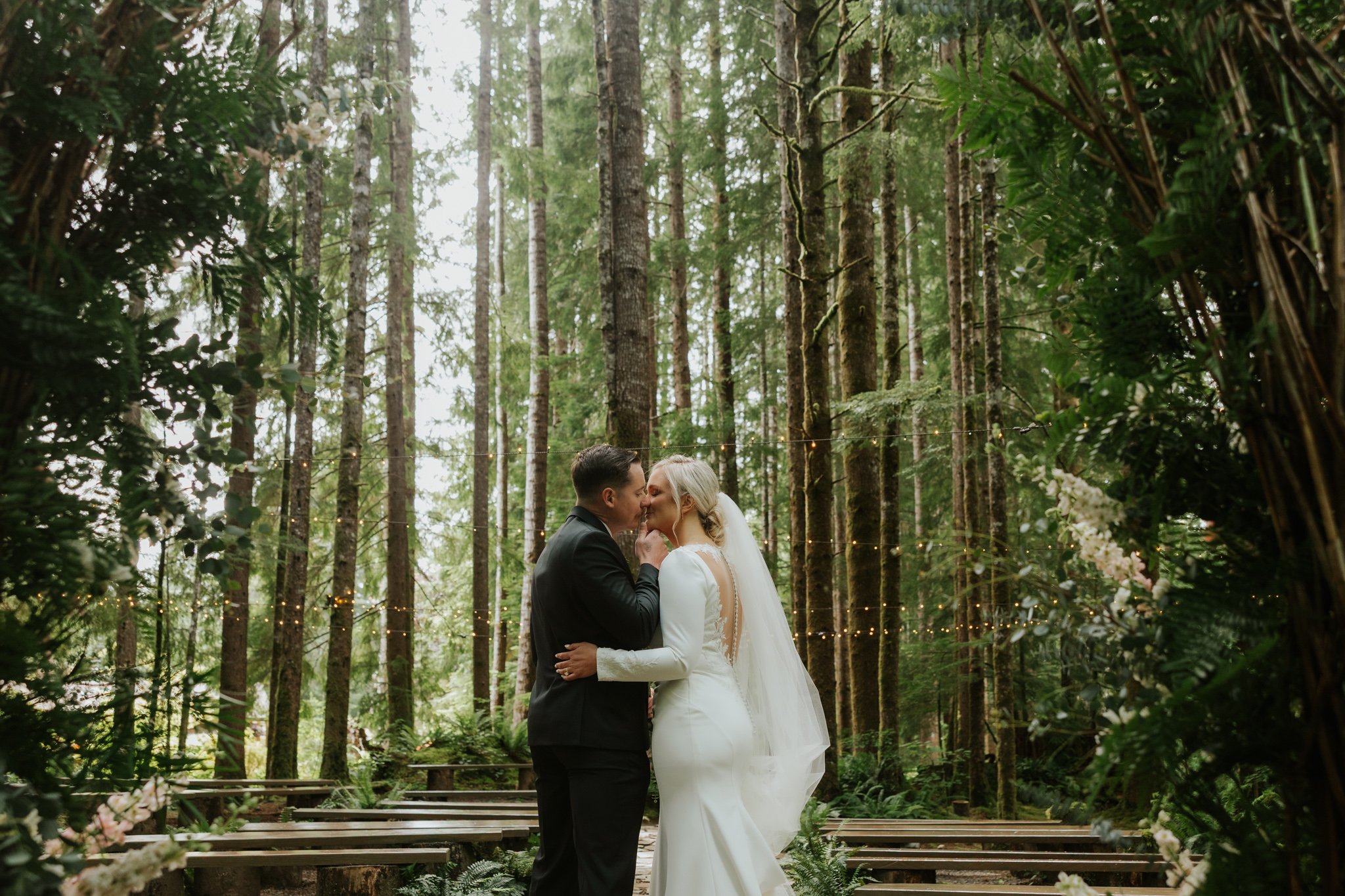
What It’s Like to Get Married in Olympic National Park
Olympic National Park Weddings (Read This First)
The couples who have the best experience here don’t try to control the park, they plan around it and we’re here to help.
You need a permit for ceremonies inside Olympic National Park
You don’t need a permit for portraits (no ceremony, no setups)
The park is massive so you cannot realistically do everything in one day
Most well-planned weddings here are either one-location focused or split into wedding day + day-after session
Private venues make logistics significantly easier
Travel time between locations can be 1–3 hours depending on region.a
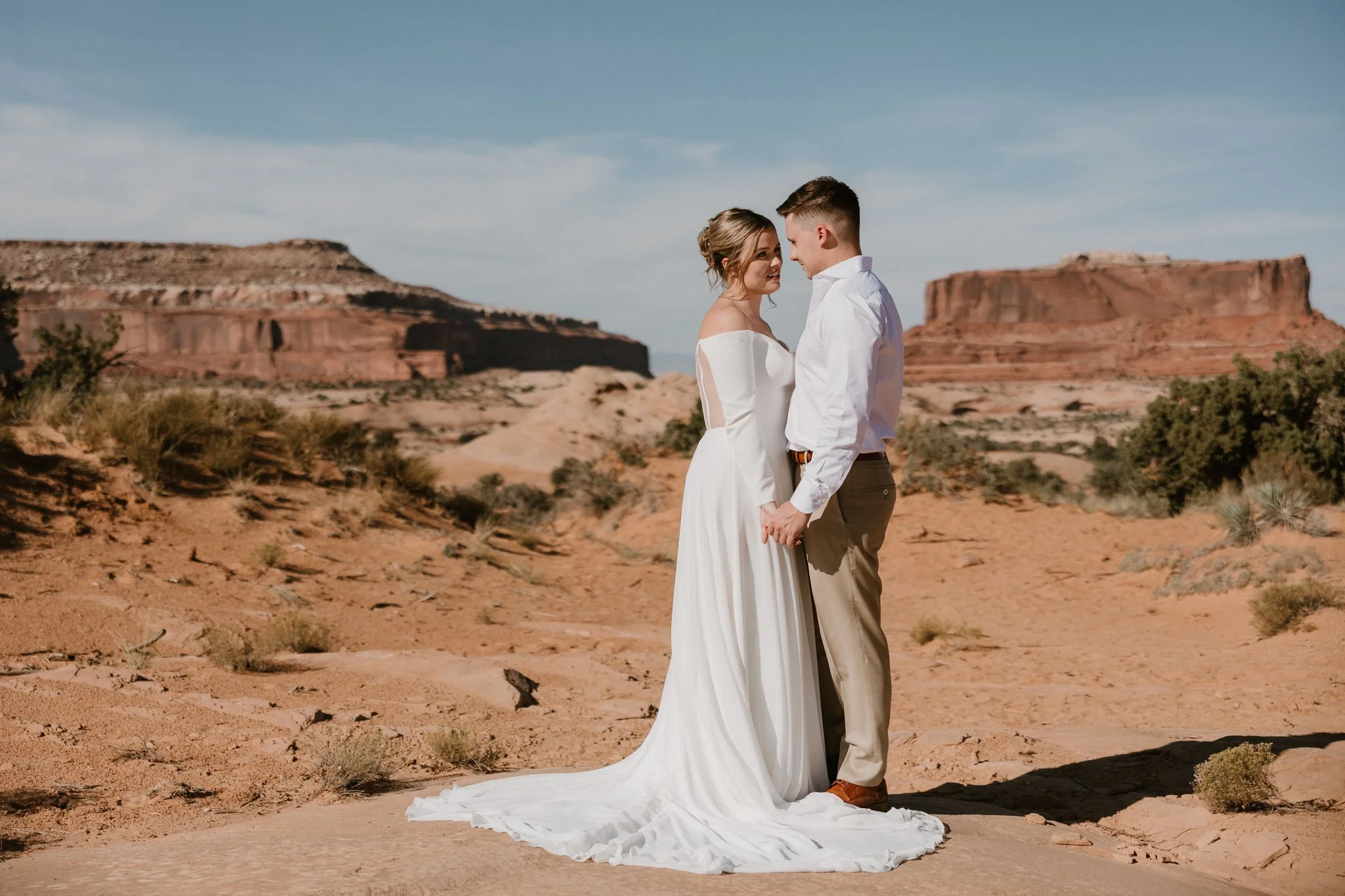
Dead Horse Point State Park Moab, UT Wedding Guide
Quick facts about getting married at Dead Horse Point State Park
Dead Horse Point is a Utah State Park, not a national park.
All weddings require a Special Use Permit.
The park offers wedding ceremony sites for groups from less than 5 up to 100 people.
Weddings are allowed year-round, generally between 6:00 a.m. and 10:00 p.m. with the permit.
Most sites are open to the public and not wheelchair accessible, except the Shade Shelter site, which is the park’s most accessible option.
It pairs extremely well with BLM land portraits, private vows, and day-after sessions in the surrounding Moab area.
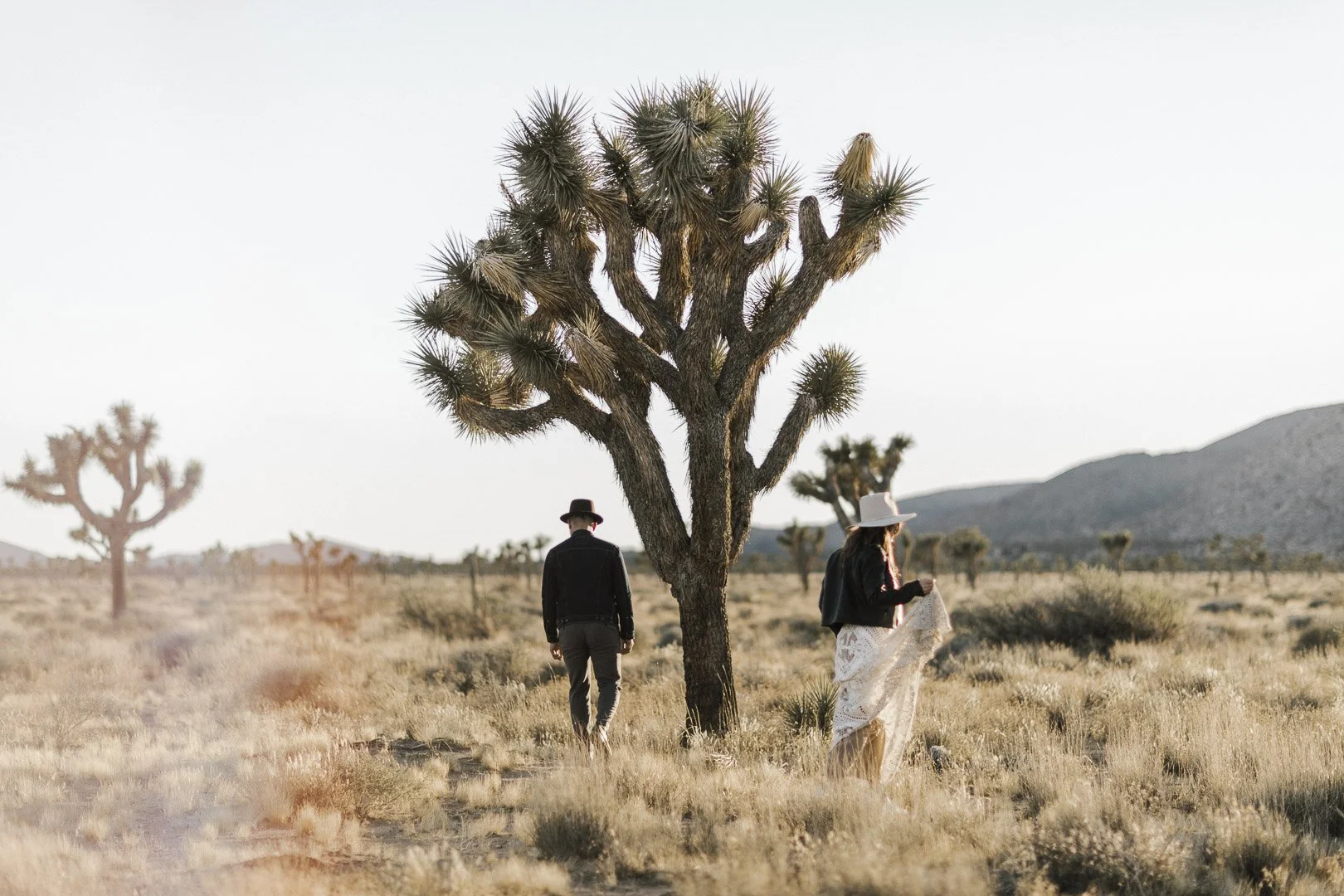
How to Plan a Wedding at The Ruin Venue in Joshua Tree
Welcome to our grounded, experience-first guide for couples who want to elope in the American West and care just as much about how it feels as how it looks. And you look damn good, so the bar is already set pretty high.
The American West isn’t a single place.
It’s a feeling, spanning states like Arizona, Colorado and California.
It’s distance. Silence. Wind. Weather. Scale.It’s choosing space over spectacle and intention over tradition.
Eloping in the American West means stepping outside the typical wedding industry playbook and designing a day that fits your style, your relationship, and your tolerance for staged bullshit. It’s about getting your boots a little dusty, watching the long sunsets and finding hidden gems amongst the red rocks.
We’ve spent over a decade helping couples elope and marry across deserts, mountains, coastlines, forests, and places many people will never know exist. We’ve planned around permits, crowds, weather systems, family dynamics, and last-minute pivots more times than we can count.
This guide is based on experience. It exists to help determine what “eloping in the American West” means to you, break down how planning really works, and help you this path is the right fit for you.
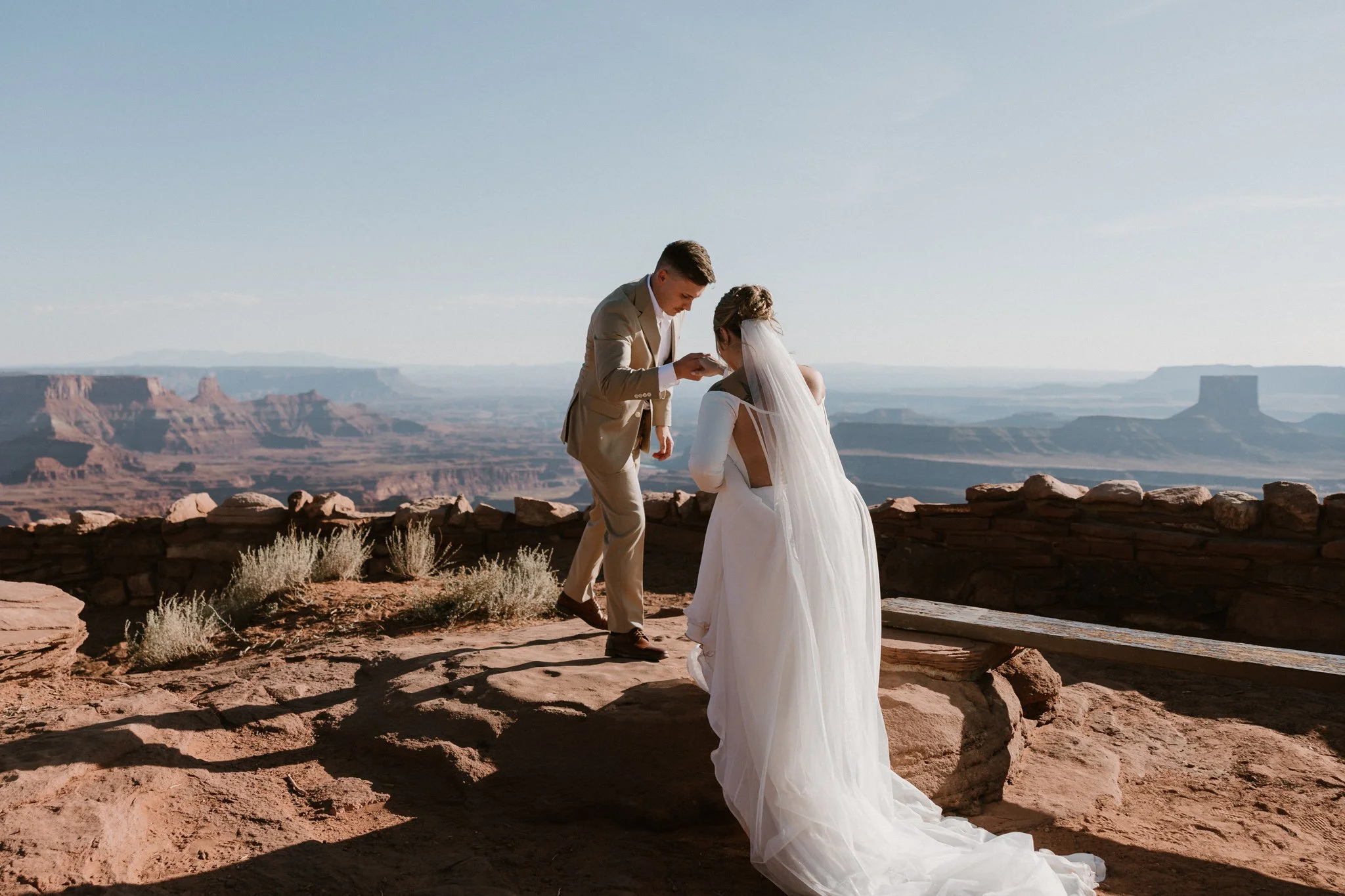
How to Elope in the American West
Eloping in the American West means choosing a location that fits your experience first, then building your day around light, access, and logistics.
Most couples will need to consider:
Where to elope: National parks, state parks, or BLM land (all have different rules)
Permits: Some locations require advance permits and designated ceremony sites, others are more flexible
Guest count: Impacts where you can go and how your day flows
Timing: Sunrise and sunset matter more than traditional schedules
Logistics: Travel time, weather, terrain, and backup plans all shape the experience
Vendors: Local or not, they should be prepared for the American West (like Going Home Co.)
The best elopements aren’t rushed or overly structured.
They’re intentionally planned so the day feels effortless, grounded, and actually enjoyable.
If you want a day that feels like you instead of a template, the planning matters more than the location.
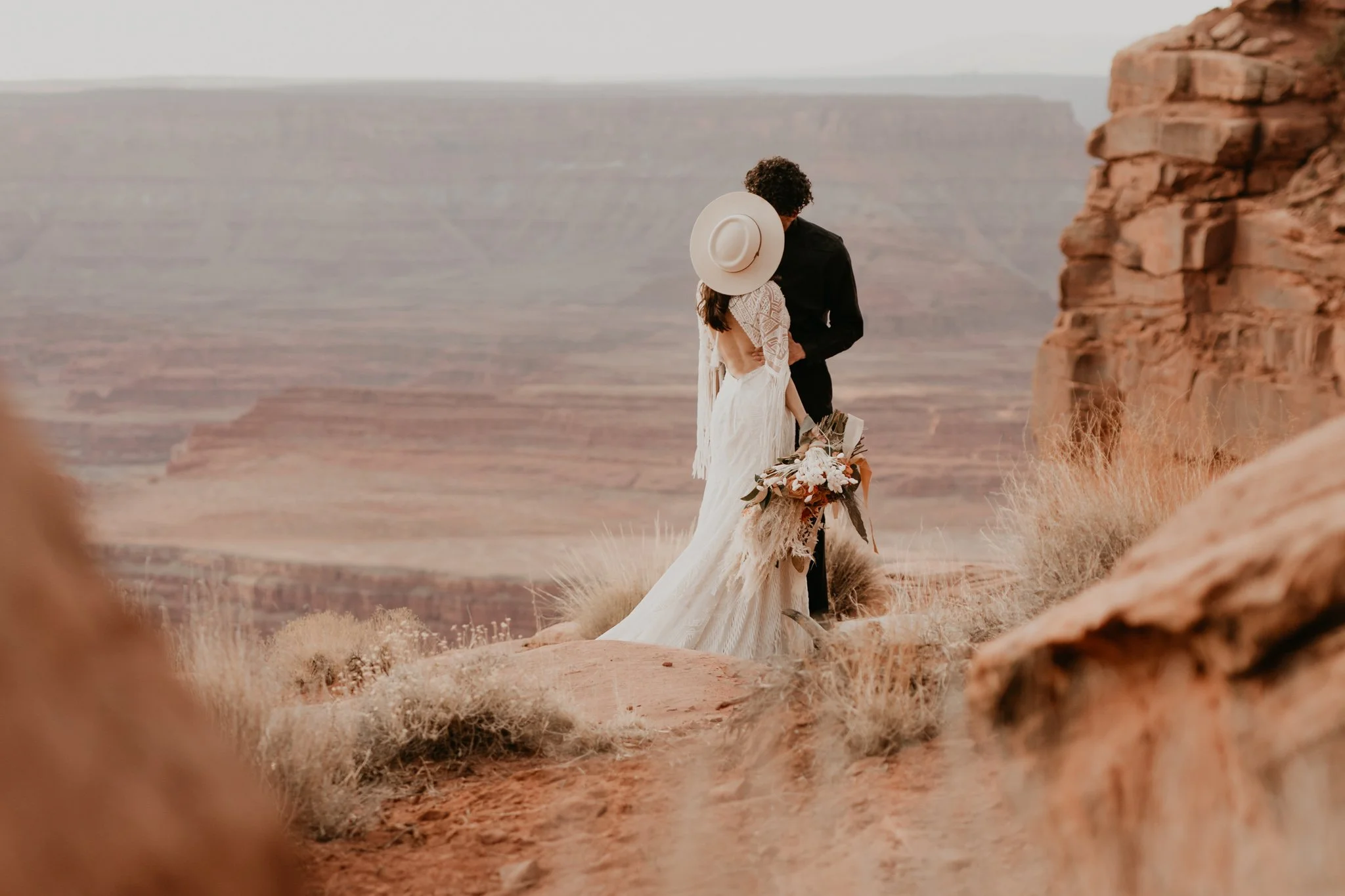
Day-After Sessions: The Secret to Stress-Free Photos
A day-after session is one of the easiest ways to reduce stress and get better, more natural photos.
Instead of trying to fit everything into one day, couples split the experience:
Wedding day: focused on the ceremony, connection, and time with people
Day-after session: focused on relaxed, intentional photos without time pressure
This approach allows for:
More flexibility with locations and lighting
A calmer, more present wedding day
Photos that feel natural instead of rushed
Day-after sessions are especially helpful for:
National park elopements with permit restrictions
Intimate weddings where you don’t want to leave guests for long periods
Couples who care more about the experience than a strict timeline
→ Not sure how to structure your day?
Start with The Hell Yeah Guide to Eloping & Intimate Weddings
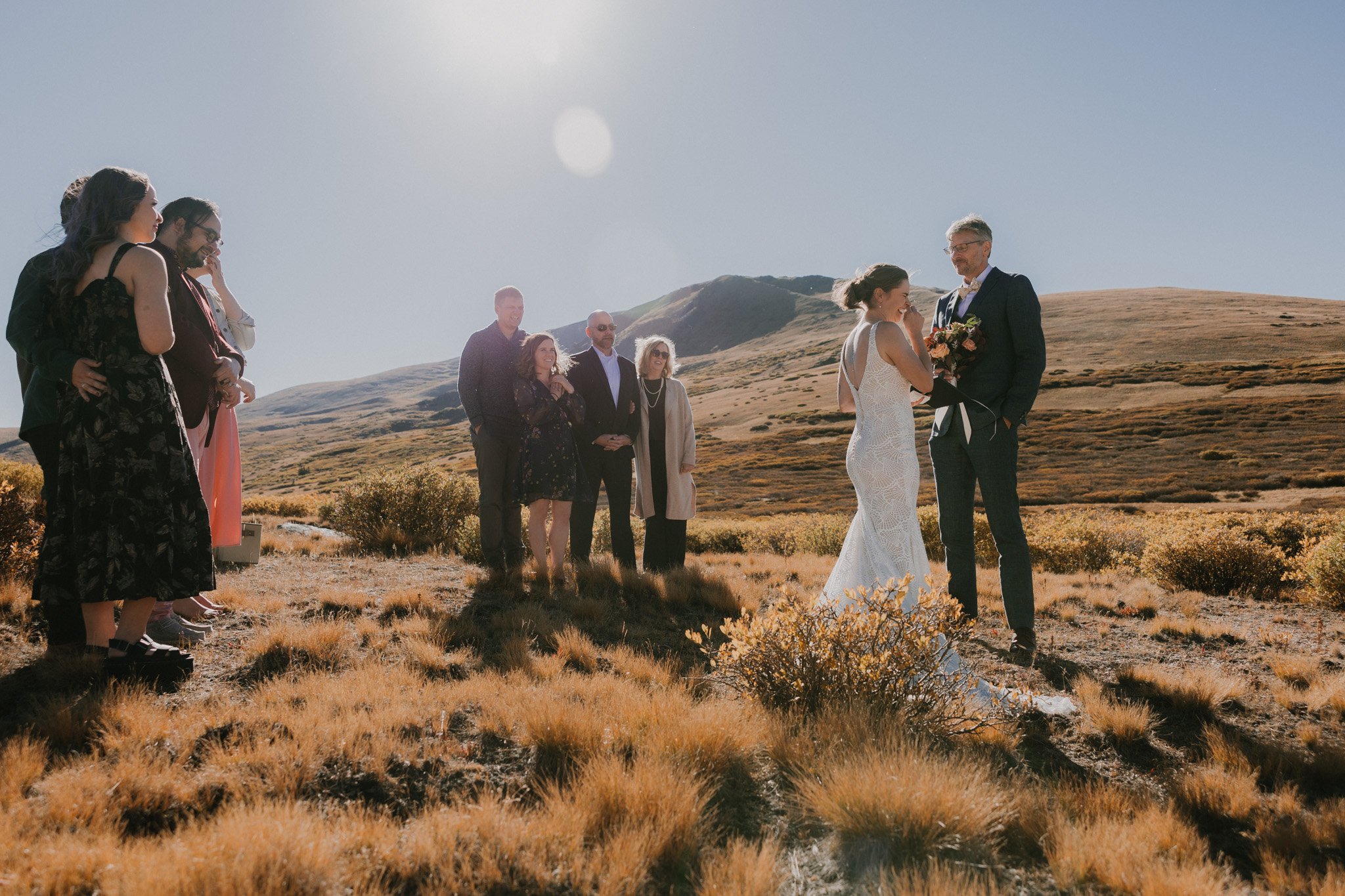
How Many Guests Can You Invite to an Elopement?
Have you already Googled this? Are you letting it sit in the back of your subconscious like your need to sort the laundry? This isn’t a chore. Don’t let these details consume you.
So you love the idea of an elopement. You want something intentional, private and grounded. But then the guest list conners showed up and you’re ready to run away to Vegas (also not a bad idea, just saying).
Is it rude to invite parents but not siblings?
Is 10 people still an elopement?
At what point does this turn into… just an intimate wedding?
Here’s the truth most planning resources skip:
The limit does not exist.
There isn’t a universal number. And chasing one is usually what creates unnecessary stress.
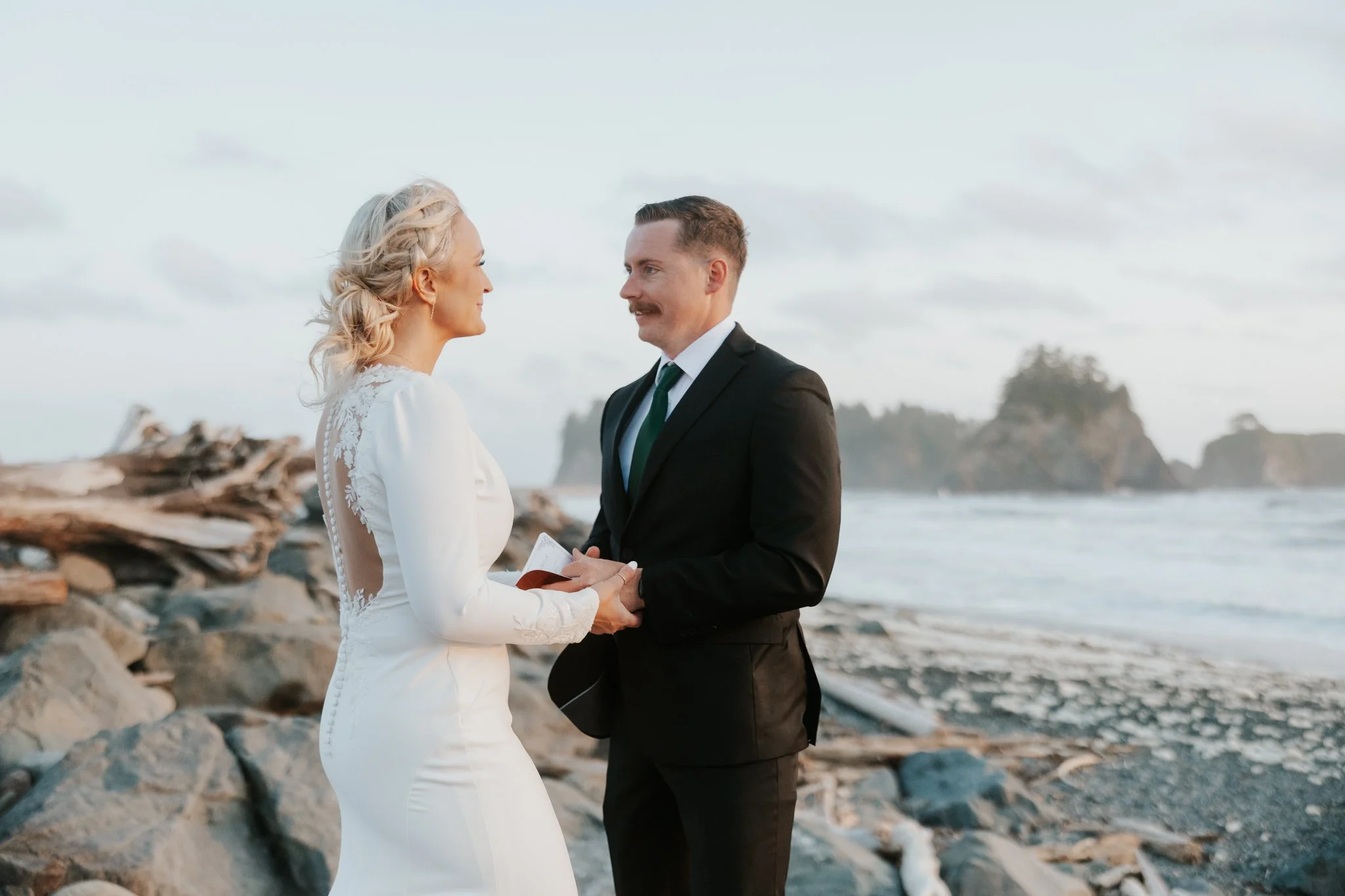
National Park Wedding Permits Explained
Planning an wedding in a National Park often starts with excitement and quickly picks up a quiet edge of pressure.
You’ve found a place that matters.
You know you don’t want a traditional wedding.
And suddenly you’re staring at park websites, PDFs, and vague instructions wondering if you’re about to mess something up.
Most couples don’t struggle because permits are hard.
They struggle because no one explains them clearly.
This guide exists to remove the friction. Not by oversimplifying, but by giving you a grounded understanding of how National Park elopement permits actually work and how to move through them without stress, overthinking, or unnecessary compromise.
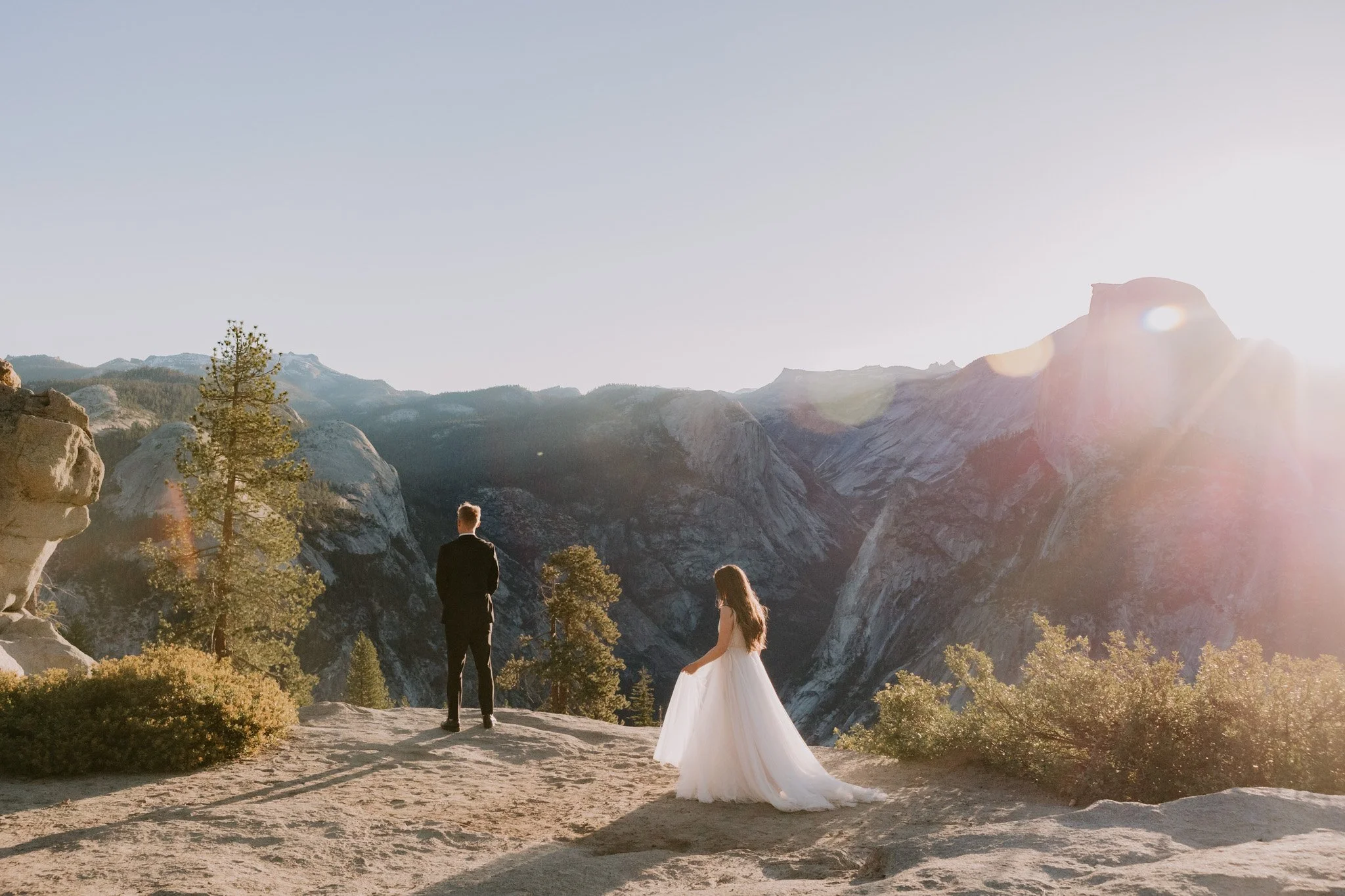
How to Plan an Elopement Without a Traditional Timeline
Planning an elopement is supposed to feel freeing.
So why does it still feel like you’re doing something wrong?
Most couples arrive here carrying a low-grade anxiety they can’t quite name. They don’t know what the day is “supposed” to look like. They’re worried they’re missing steps. And every timeline example they find feels suspiciously like a smaller version of the thing they’re trying to avoid.
That uncertainty doesn’t mean you’re unprepared.
It means you’re planning something that isn’t built on tradition.