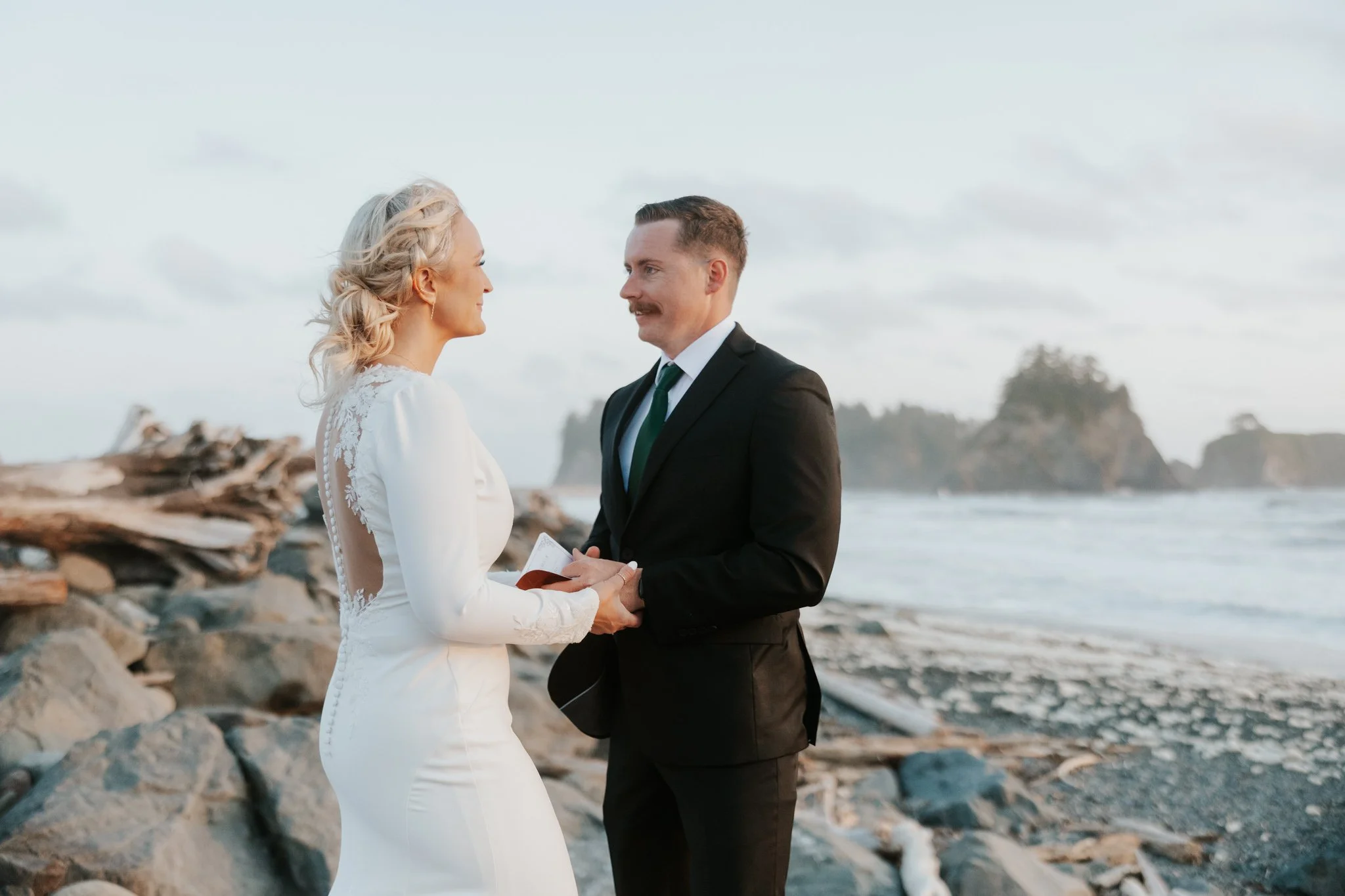
Planning a wedding in a National Park often starts with excitement and quickly comes with questions.
You’ve found a place that matters. You know you don’t want a traditional wedding. And suddenly you’re staring at park websites, PDFs, and vague instructions wondering if you’re about to mess something up.
why does paperwork come with so much pressure?Most couples don’t struggle because permits are hard.
They struggle because no one explains them clearly.
This guide exists to remove the friction. Not by oversimplifying, but by giving you a grounded understanding of how National Park elopement permits actually work and how to move through them without stress, overthinking, or unnecessary compromise.
TL;DR: Do You Need a Permit to Elope in a National Park?
Most National Parks require a special use permit for ceremonies, even if it’s just the two of you
Small, low-impact photo sessions may not require a permit, depending on the park and setup
Rules vary by park, including guest limits, ceremony locations, and restrictions
Permits exist to protect the landscape, manage impact, and preserve access
Skipping permits can lead to fines, interruptions, or being asked to leave mid-ceremony
The simple version:
Ceremony = usually needs a permit
Photos only = sometimes don’t
Every park = different rules
Not sure what applies to your plan?
→ Reach out here and we’ll help you figure it out without the guesswork
The Common Belief: You Have to “Figure Out Permits First”
Most couples assume that National Park elopement permits are:
Complicated and rigid
Easy to get wrong
The very first thing they must lock in
The most important decision in the process
There’s an unspoken fear underneath this belief:
If we don’t do this correctly, our elopement won’t be legitimate.
That fear could lead you to plan defensively instead of intentionally. You may end up focusing on rules and logistics before you’ve clarified what you actually want your day to feel like.
That order is backwards. Let’s trash that script.
Why This Belief Creates Stress (and Doesn’t Actually Serve You)
When permitting becomes your starting point, couples tend to:
Choose locations based on what feels “allowed” rather than meaningful
Lock themselves into rigid timelines too early
Over-research minor details while missing the bigger picture
Feel pressure to shrink their experience to avoid doing something wrong
Permits were never meant to drive the experience.
They exist to support shared land, not control personal moments.If you misjudge this, planning starts to feel heavy when it should feel instinctual and exciting.
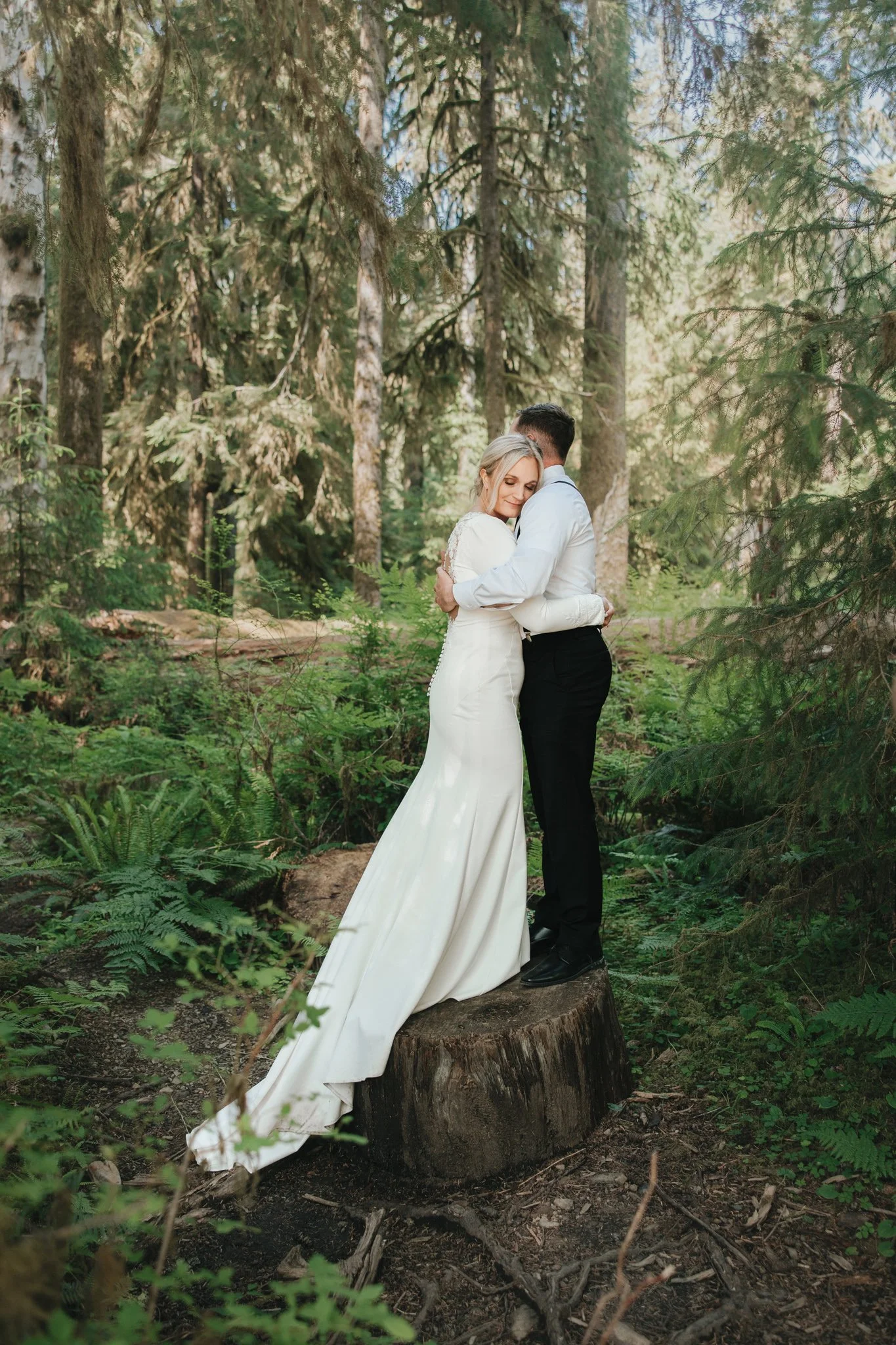
A Better Way to Think About National Park Elopement Permits
Permits aren’t red flags. It’s how these places stay wild and worth visiting.
Every National Park is protected land and when you apply for a permit, you’re not just reserving a natural space.
You’re participating in the protection of it.
That matters more than most couples realize, and it’s a founding pillar of our business.
Why Permits Actually Exist
National Parks receive millions of visitors every year, and the impact adds up quickly.
National Park Service reports over 300 million annual visits across the park system
Studies tied to Leave No Trace Center for Outdoor Ethics show that even small off-trail movement can lead to long-term vegetation damage and soil erosion
High-traffic areas without regulation experience trail widening, habitat disruption, and permanent landscape change
Permits help parks manage:
Where impact happens
How many people are in one space
Whether fragile areas are protected or slowly worn down
Without that structure, the places people come for would not look the same in five, ten, or fifty years.
Why This Matters for Your Experience, Not Just the Environment
This isn’t just about protecting the land for the future.
It directly impacts your experience now.
When permits are followed and locations are respected:
You’re less likely to deal with overcrowding or interruptions
Ceremony spaces stay visually intact instead of worn down
Rangers are supportive instead of restrictive
Your day flows without tension or uncertainty
The couples who skip or avoid permits often end up dealing with the exact stress they were trying to avoid.
Uncertainty, last-minute changes, or being redirected mid-day.
Doing it right creates stability. Don’t be the assholes being removed from the park ☻
The Role of Your Photographer (This Is Where We Come In)
Not every photographer approaches this the same way.
Some treat permits as optional or something couples should “figure out.”
Some don’t understand the regulations at all.
We don’t work that way.
Our job is to:
Help you understand what’s required and what isn’t
Guide you toward locations that align with both your vision and park regulations
Build a plan that respects the land without limiting your experience
Protect the integrity of these places so they still feel wild, quiet, and untouched
Because the truth is, this work isn’t just about your photos.
It’s about making sure the landscape looks just as powerful for you as it will for your grandchildren. Let them experience the wilds of our National Parks in the way they were intended.
Permits Are Worth Doing Right
Permits aren’t the obstacle.
They’re the reason these places feel the way they do when you arrive.Not crowded beyond recognition, damaged beyond repair or turned into something they were never meant to be. When handled correctly, permits don’t take away from your experience. They protect it.
Did You Know? Permits Aren’t One-Size-Fits-All
Most people think if you’re doing anything wedding-related in a National Park, you need a permit for all of it.
That used to be closer to true, but isn’t anymore.
The rules have shifted in the last few years, partly because of advocacy from incredible groups like Public Land Creatives and legislation like the EXPLORE Act. The focus now leans toward impact, not whether someone brought a camera and got paid.
Translation?A small, low-impact photo session can often happen without a permit. No production, no setup, no chaos. Just showing up, staying respectful, and not turning the place into a TikTok trend.
But the second you cross into ceremony territory (vows, exchanging rings, anything that marks the actual act of getting married) you’re playing by a different set of rules. That’s where special use permits still come into play, even if it’s just the two of you and a quiet moment.
And let’s be real. A lot of photographers are still operating on outdated information. Not because they’re careless, but because this stuff changes and most people aren’t tracking federal policy updates between editing galleries and hopping flights.
But we are!
This isn’t just paperwork. It shapes where you can go, how your day flows, and whether everything feels seamless or not. And I’ll be damned if your day doesn’t feel like a dream come true.
The short version, without the legal fog:
Photos? Sometimes you’re good to go.
Ceremony? Probably needs a permit.
Every park plays by its own rules.
Feeling unsure how permits apply to your wedding? Every park is different, and every couple’s priorities are too.
→ Reach out hereif you want clarity without pressure.
What National Park Elopement Permits Actually Regulate
While every National Park has its own permit process, most of them regulate the same core elements.
Ceremony Location
Most parks designate specific areas for ceremonies. These are chosen to:
Minimize environmental impact
Avoid congestion
Keep trails accessible to the public
This does not mean your entire elopement happens in one spot. It simply means the ceremony itself takes place in an approved location.
Portraits, hiking, exploring, and experiencing the park typically happen outside of that designated area.
Guest Count
National Parks usually cap guest numbers to protect space and visitor flow.
Common limits range from:
Just the couple
10–15 guests
Occasionally 25+ with restrictions
Guest limits are not commentary on intimacy or legitimacy. They’re logistical boundaries tied to land protection.
Timing and Duration
Permits usually specify:
A general ceremony time window
How long the ceremony itself can last
This does not mean your entire day is timed to the minute. It simply ensures that ceremonies don’t conflict with peak visitation or other permitted activities.
Equipment and Setups
Most parks restrict or prohibit:
Large arches or installations
Amplified sound
Furniture or decor setups
This can feel a little limiting until you remember that National Park elopements are strongest when they rely on presence, not production. You’ll have a backdrop many only dream of, and an experience you’ll rave about for generations to come. Consider the limitations gentle reminders to be present, preserve the land and embrace the natural beauty of your wedding day.
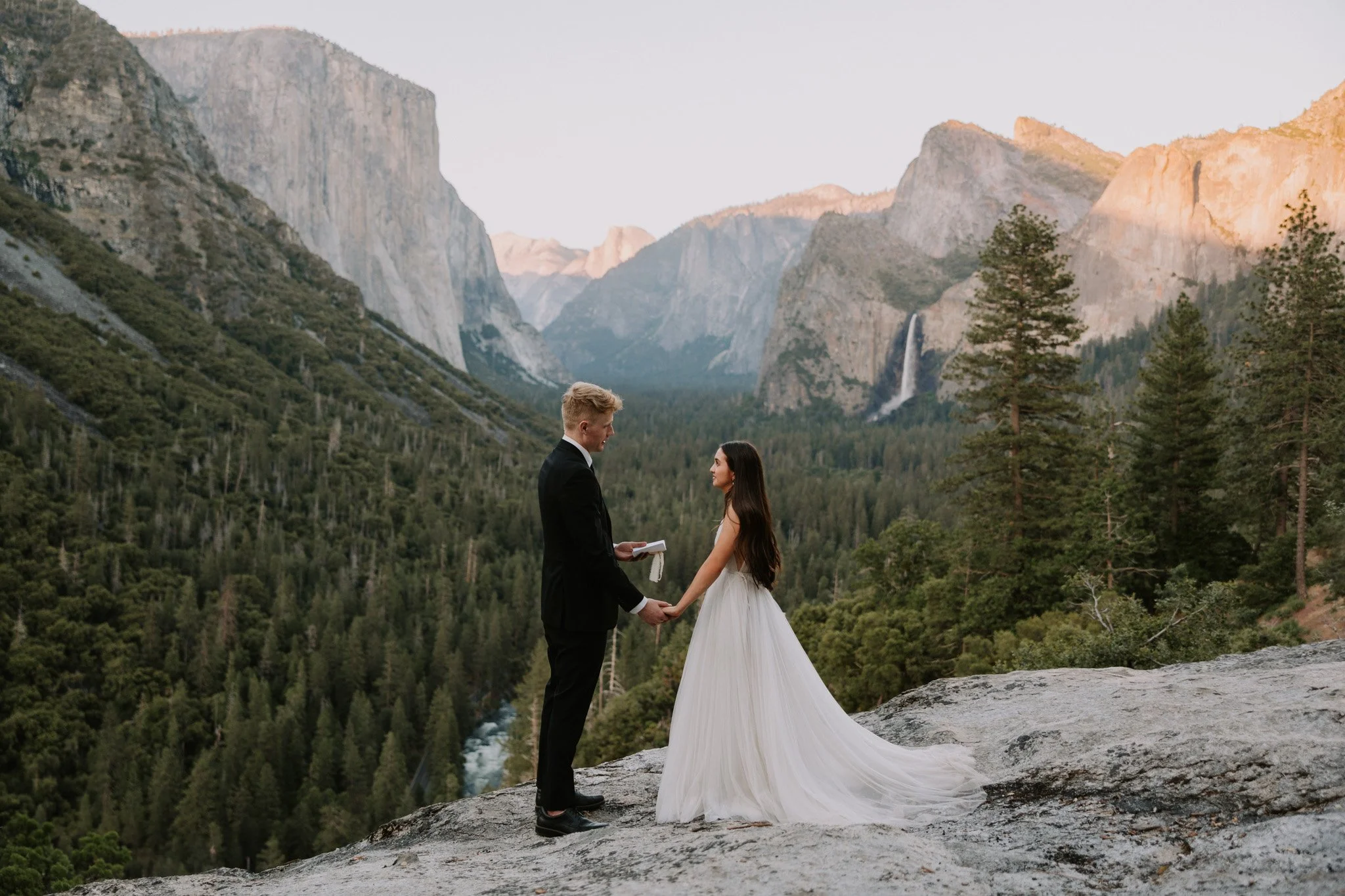
What This Looks Like in Real Life
✶ Scenario One: Just the Two of You
You apply for a permit, select an approved ceremony location, choose a flexible time window, and keep the ceremony short and intentional.
Afterward, the rest of the day unfolds naturally: hiking, exploring, portraits, celebrating without a schedule breathing down your neck.
✶ Scenario Two: A Small Group of Guests
You choose a ceremony site that supports your guest count, plan a brief ceremony, and communicate expectations clearly to everyone involved.
The structure creates calm instead of pressure because everyone knows what matters and what doesn’t.
✶ Scenario Three: Permits Shape the Day, Not the Meaning
The permit influences where the ceremony happens, not how it feels.
The experience remains personal because it’s built around intention, not compliance.
How National Park Permits Fit Into the Bigger Planning Picture
Permits are one piece of the planning ecosystem, not the foundation.
They work best when layered into decisions you’ve already clarified, such as:
What kind of experience you want
Whether you’re inviting guests
How much structure feels supportive versus restrictive
If you haven’t clarified those things yet, permits will feel overwhelming. If you have, they become straightforward.

Not sure what kind of elopement day structure fits you?
Common Mistakes Couples Make With National Park Elopement Permits
Applying Too Early Without Direction: Submitting a permit before you understand your priorities often leads to unnecessary compromises.
Assuming One Permit Equals One Experience: Permits regulate ceremonies, not full days. Confusing the two creates unnecessary limitations.
Treating Rules as Personal: Restrictions aren’t judgments. They’re neutral guardrails designed to protect shared spaces.
Reassurance Before You Move Forward
If National Park elopement permits feel intimidating right now, that doesn’t mean you’re behind or doing anything wrong.
It means you’re early in the process and asking the right questions.
Permits are manageable and we’re here to help, but clarity should always come before paperwork.
When you’re ready to see how these permit options fit into your elopement plan, these resources are designed to support you next:
✶ How to Plan an Elopement Without a Traditional Timeline
✶ How to Elope in the American West
No pressure. No rush.Contact us when you’re done reading generic blogs and ready to hear practical advice based on you and your wildest ideas.

If you want support navigating permits without overthinking them, we’re always happy to talk through your ideas and find a good fit.
→ Explore elopement planning + photography with Going Home Co.
→ Or start with our Hell Yeah Guide if you’re still figuring things out.