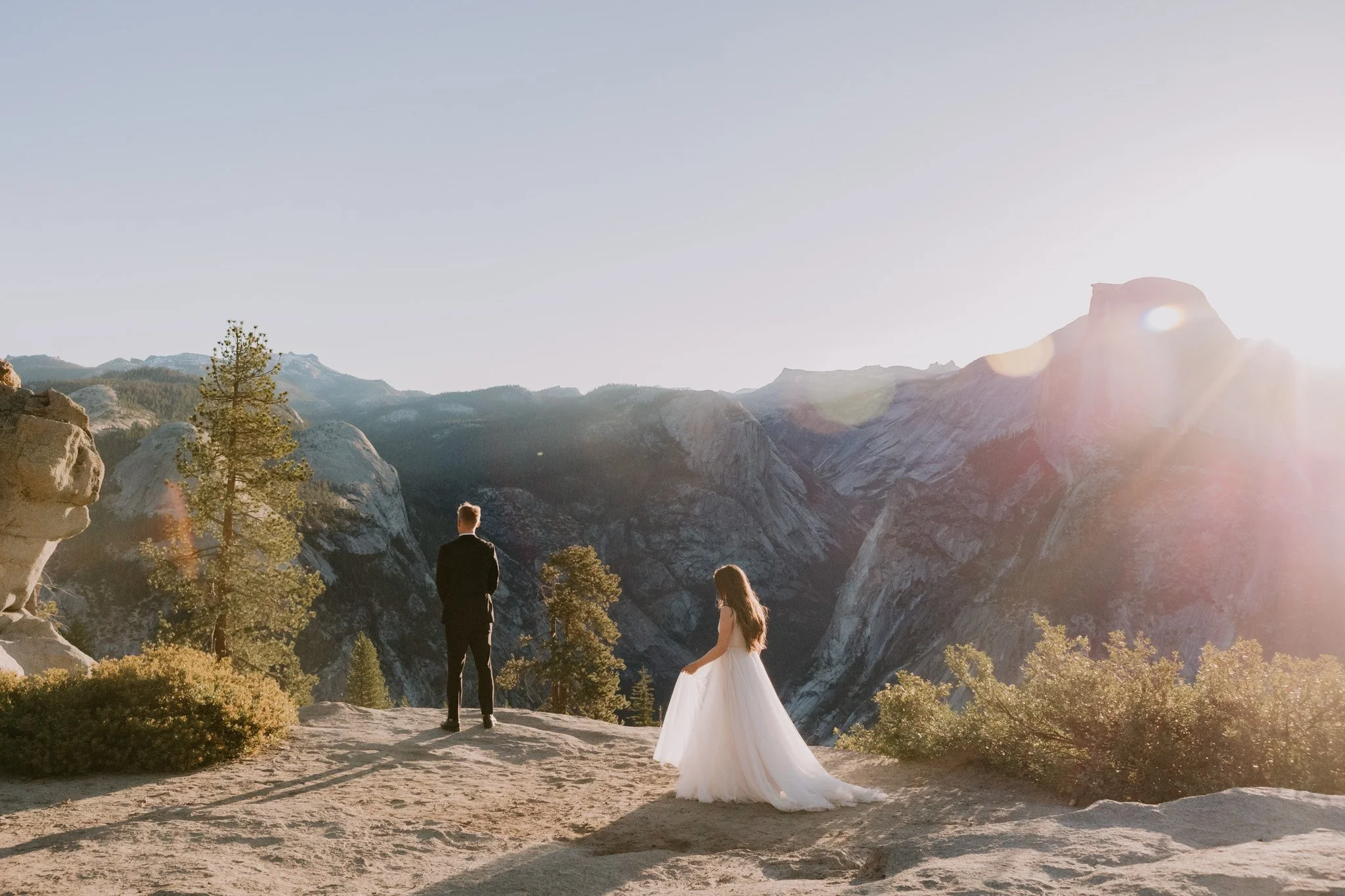
Planning an elopement is supposed to feel freeing. So why does it still feel like you’re doing something wrong?
Most couples arrive here carrying a low-grade anxiety they can’t quite name. You don’t know what the day is “supposed” to look like. You worried you’re missing steps. And every timeline example you find feels suspiciously like a smaller version of the thing you’re trying to avoid.
That uncertainty doesn’t mean you’re unprepared.
It means you’re planning something that isn’t built on tradition.TL;DR: How to Plan an Elopement Without a Traditional Timeline
Elopement timelines don’t need to follow traditional wedding schedules.
Instead of planning your day around fixed time blocks, build it around light, location, and how you want the experience to feel.
Traditional timelines often create unnecessary stress by prioritizing structure over presence. A non-traditional elopement timeline allows for flexibility, slower pacing, and more intentional moments, resulting in a day that feels natural instead of rushed.
The best elopement timelines are planned with intention but flexible in execution, often guided by an experienced photographer who understands lighting, logistics, and flow.

Not sure what kind of elopement day actually fits you?
The Common Belief: Every Wedding Needs a Traditional Timeline
Most couples think a “real” wedding day has to follow a familiar formula:
A fixed start time
A tight getting-ready window
A ceremony scheduled to the minute
Portrait blocks that dictate the rest of the day
Even when couples choose to elope, that structure sneaks in. They assume the only difference is fewer guests.
But elopements aren’t stripped-down weddings.
They’re a different experience entirely.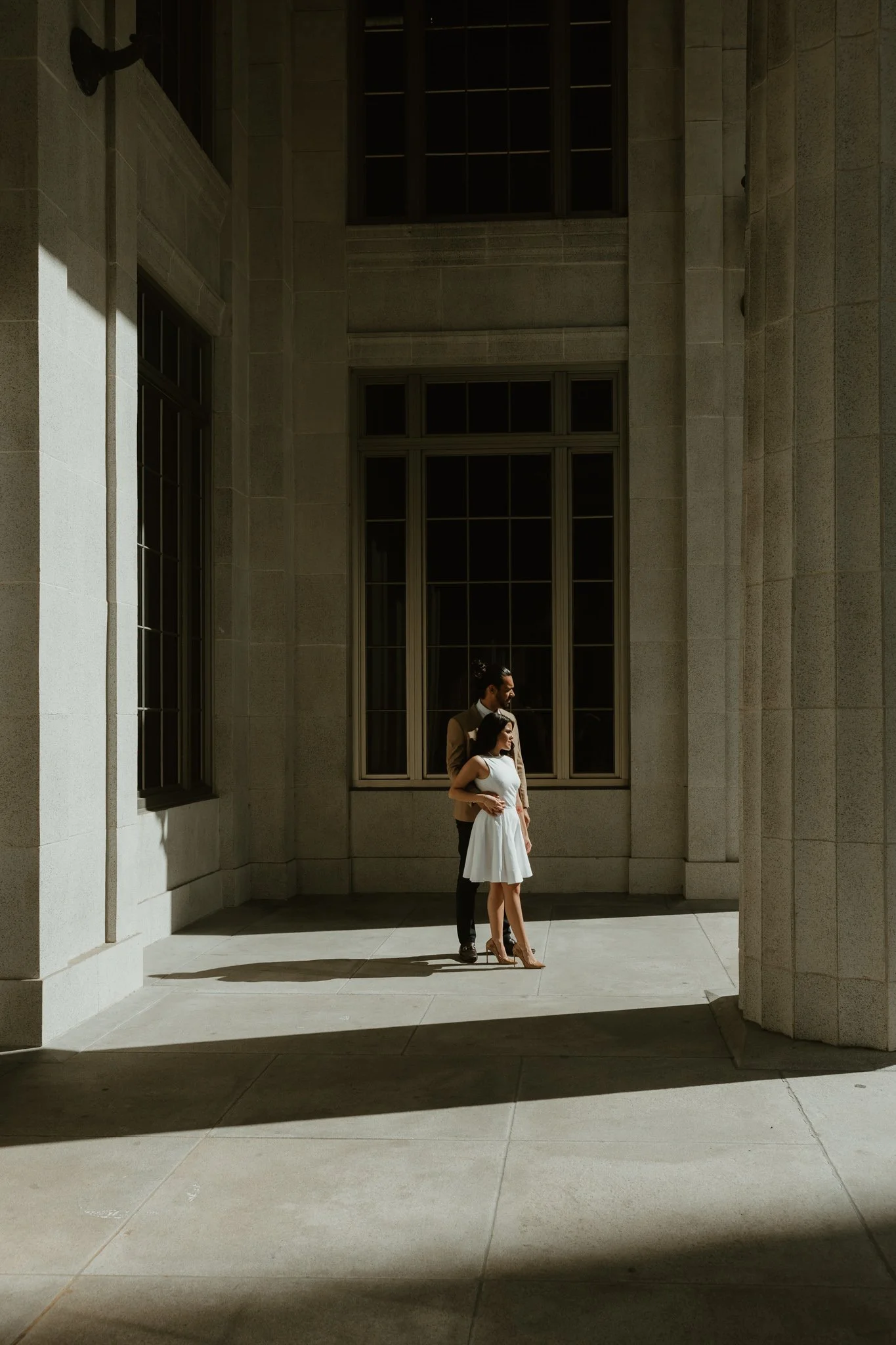

Why Traditional Timelines Create Stress for Elopements
Traditional timelines are designed to manage people, vendors, and venues. Not emotions.
When that structure is forced onto an elopement, it usually leads to:
Rushing moments that didn’t need to move fast
Anxiety over “running late” when no one is waiting
Feeling like the day is happening to you instead of with you
Prioritizing the clock over how things feel
We see couples stress over five minutes when the entire point of eloping was freedom. That pressure doesn’t come from the day itself. It comes from applying rules that don’t belong there.

If traditional wedding planning already feels heavy, it doesn’t magically get lighter on an elopement day.
→ This is where our planning support matters most. Contact us like, right now!
A Better Way to Think About an Elopement Timeline
Instead of asking, “What time does everything happen?”
Ask, “What do we want this day to feel like?”
Non-traditional elopement timelines are built around:
Natural light, not ceremony start times
Energy levels, not productivity
Location flow instead of rigid blocks
Emotional pacing over optics
This doesn’t mean “no plan.”
It means intentional flexibility.
A well-planned elopement day has structure. It’s just designed to support presence instead of control it.
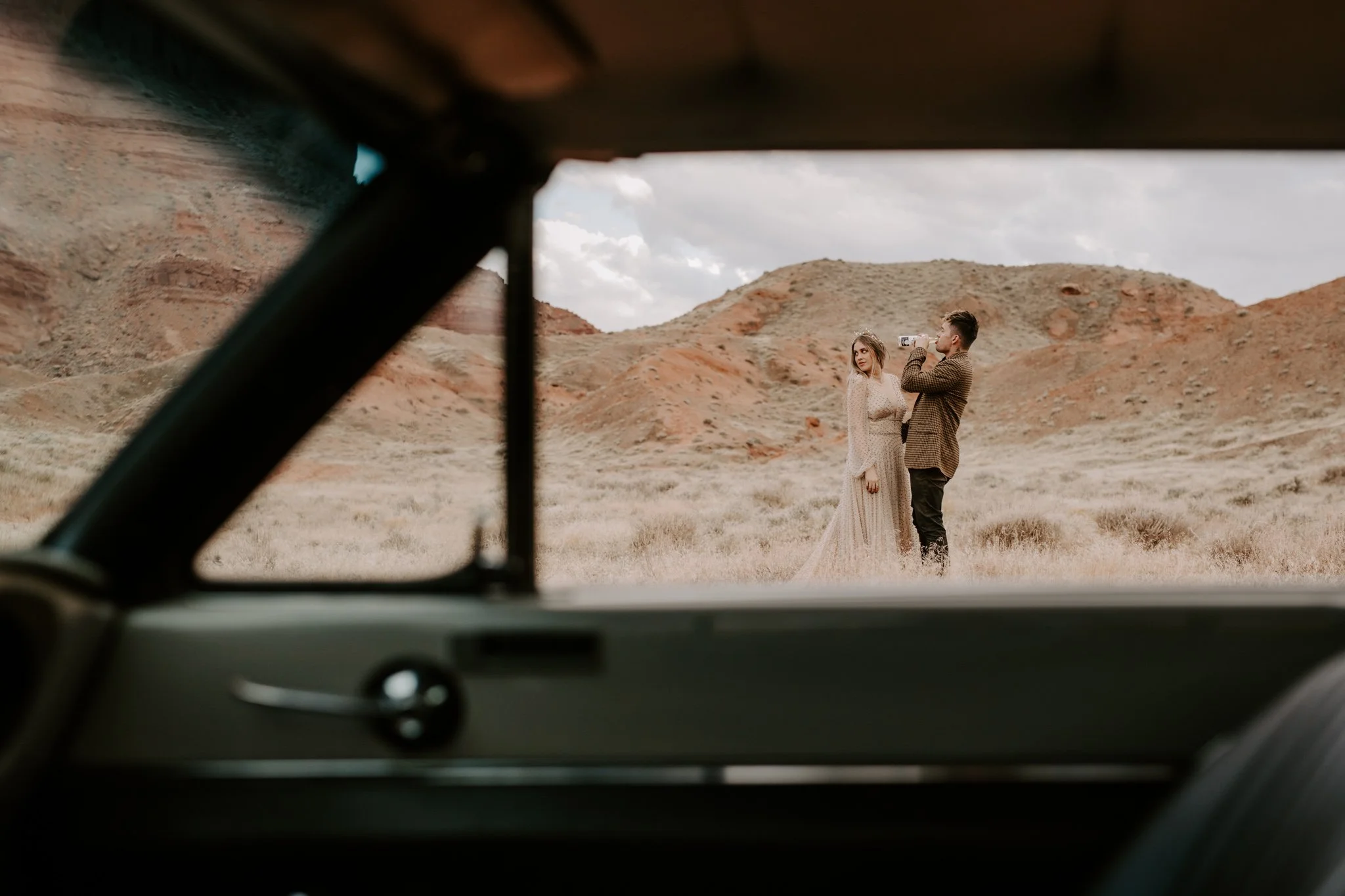
What a Non-Traditional Elopement Timeline Looks Like in Real Life
Slower Mornings
No alarms unless you want them. Getting ready without an audience. Space to breathe before anything “official” happens.
Ceremony by Feel, Not by the Clock
The ceremony happens when the light is right, the wind settles, or you reach a place that feels grounded. Not because it’s 4:00 PM.
Movement Instead of Wasted Time
Hikes, drives, pauses to eat actual food. The day flows instead of being padded with filler.
Photos as a Byproduct of the Experience
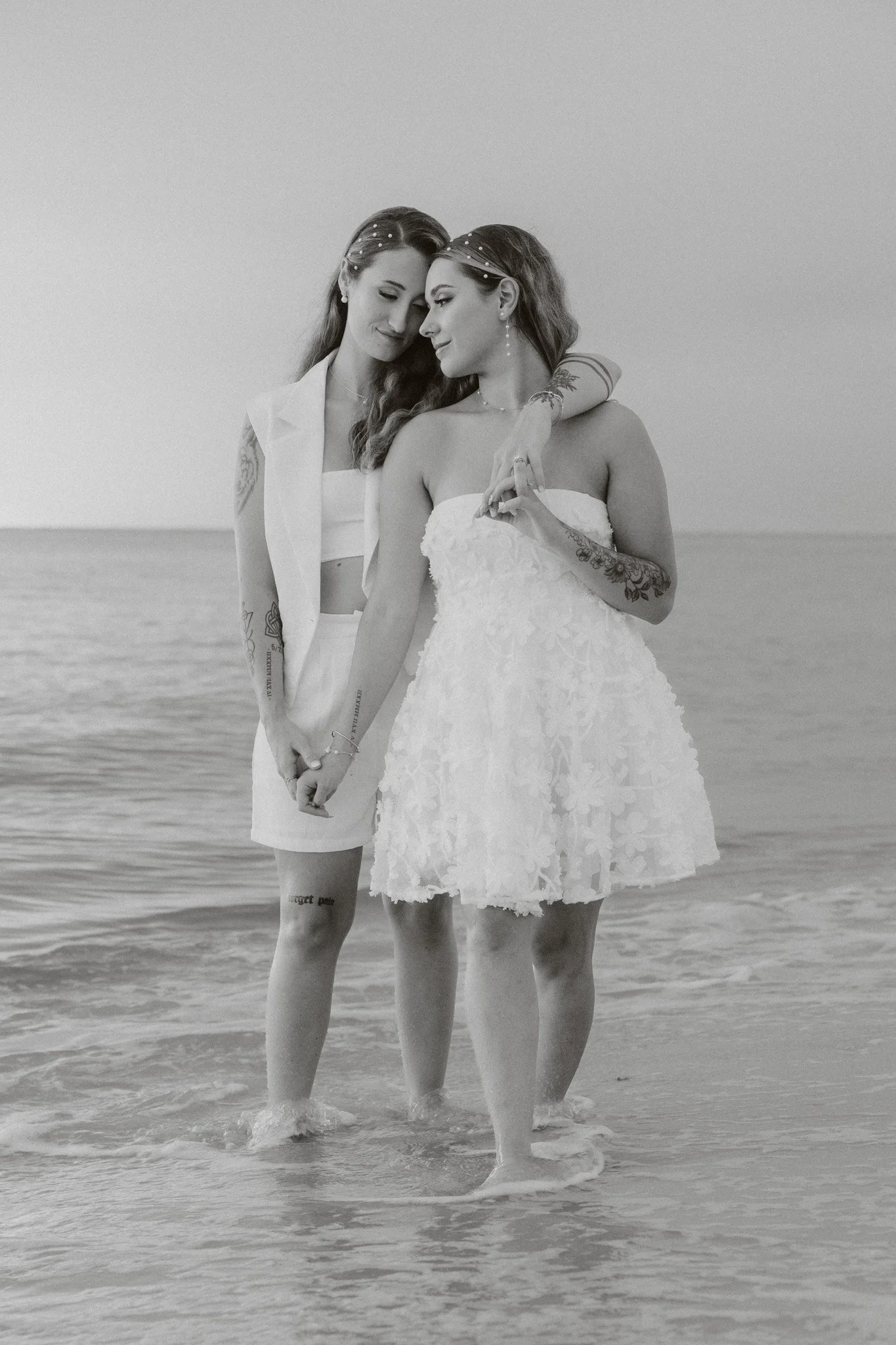
You’re not stopping life to take photos. You’re living the day, and the photos happen because you’re in it.
This is how elopements feel expansive instead of rushed, even when they’re simple.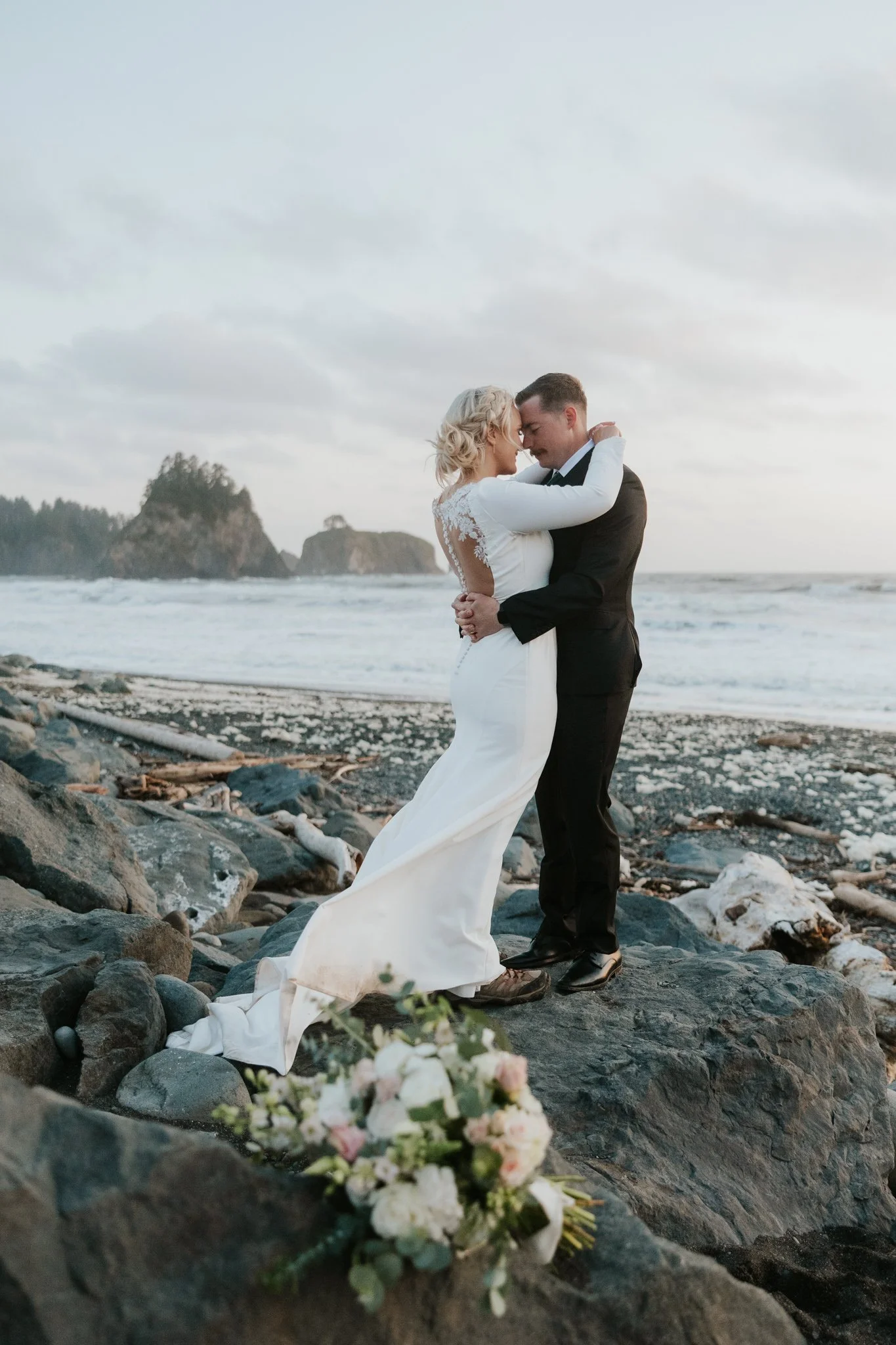
How This Timeline Approach Affects the Rest of Your Planning
Once you let go of a traditional timeline, everything else clicks into place differently:
Location becomes the anchor
Season and light guide the flow
Permits and logistics support the day instead of dictating it
Your photographer becomes part of the planning process, not just coverage
This is why elopement planning isn’t “less work.”
It’s different work. And when done well, it removes stress instead of creating it.

If you want help crafting a day that feels grounded instead of micromanaged, that’s exactly what we do.
→ Explore elopement planning + photography with Going Home Co.
→ Or start with our Hell Yeah Guide if you’re still figuring things out.